
Alnwick's deadly Poison Garden - with 97 toxic species - recognised by Guinness World Records
Alnwick’s Poison Garden has been officially recognised by Guinness World Records.
The visitor attraction has received its official certificate for the most species of plant in a poison garden, with an extraordinary 97 toxic and narcotic species.
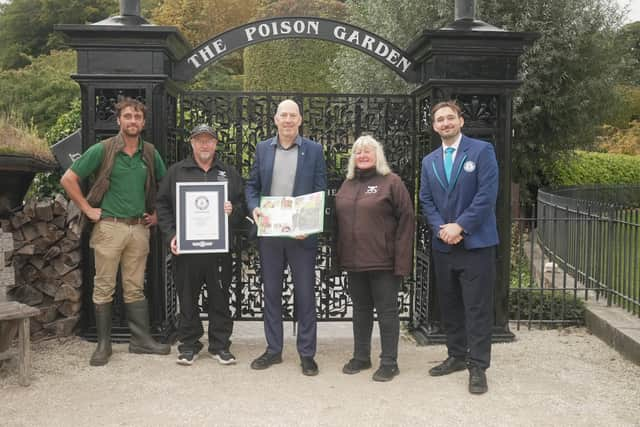

Hidden behind imposing black iron gates marked with skull-and-crossbones warnings, the garden is home to a collection of plants that visitors are strictly forbidden from touching, tasting or even smelling.
To celebrate the achievement, official GWR adjudicator Will Munford visited The Alnwick Garden to present its official certificate.
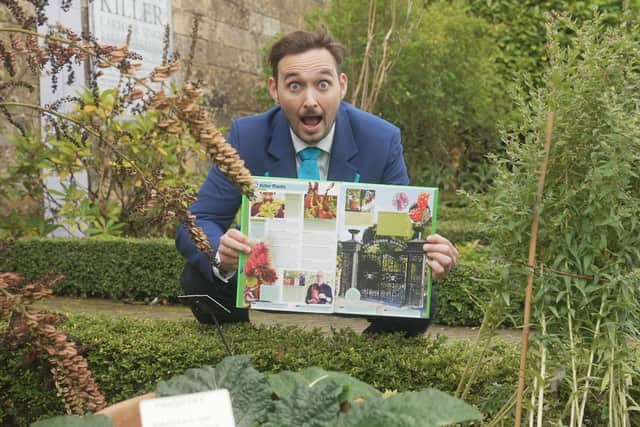
He said: “It's not every day you present a Guinness World Records certificate surrounded by plants that could potentially kill you!
"The Alnwick Poison Garden is a truly fascinating place, and recognising 97 different species of poisonous and narcotic plants makes this a particularly unusual achievement.
“It's brilliant to see the garden featured in the new Guinness World Records 2027 book, which celebrates extraordinary record-breaking achievements from around the world.
"This is a wonderful example of how records can be found in the most unexpected places.”
Some of the world's most notorious botanical specimens in The Poison Garden are foxgloves and deadly nightshade, as well as the infamous gympie-gympie, an Australian stinging tree which is kept in a locked protective enclosure to prevent visitors from coming into contact with it.
The collection also includes giant hogweed, a plant capable of causing severe skin reactions, alongside dozens of other species with fascinating - and sometimes sinister - histories.
The Poison Garden, which opened in 2005, was created by Jane Percy, Duchess of Northumberland, who wanted to explore the darker side of horticulture.
She said: “Apothecary gardens tend to focus on the curative properties of plants whereas I was focusing on how they could kill. I wanted to include plants which had great stories of death behind them.”
Despite its unsettling reputation, the Poison Garden has a serious purpose - educating visitors about the dangers, uses and histories of poisonous plants.
Entry is only permitted on guided tours.
Lachlan Rae, head gardener at The Alnwick Garden, said: “Truthfully, all plants in the Poison Garden carry risk and we act accordingly. Some are more benign or carry less obvious immediate danger, but we do have some absolute shockers.”