
Sycamore seed ingestion dangerous for horses
At this time of year, most horse owners know to watch out for conditions such as colic and laminitis, but another potentially fatal disease that can often fly under the radar for many horse owners is sycamore poisoning.
Sycamore trees are a common sight across the British countryside. Their seeds, seedlings and leaves contain a toxin called hypoglycin A which can cause a serious condition known as atypical myopathy in horses.

While relatively uncommon, the disease is often severe and can develop very quickly.
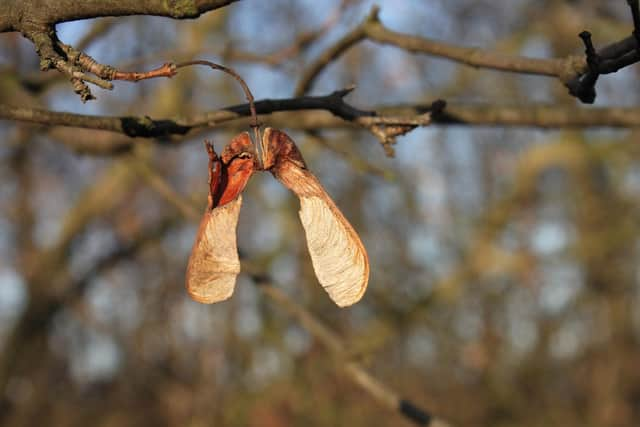
The main risk periods are autumn, when the familiar winged ‘helicopter’ seeds fall from the trees, and spring, when seedlings emerge.
Horses do not usually seek out sycamore material to eat, but may ingest it while grazing, particularly when grass is sparse or fields are overgrazed.
The toxin affects the horse’s ability to produce energy within its muscles, leading to widespread muscle damage. This can impact not only movement but also breathing and other vital functions.
What makes sycamore poisoning especially cruel is that affected horses can appear bright and alert despite suffering significant internal damage.
Early signs are often vague and can be mistaken for a minor problem. Owners may notice their horse seems unusually quiet, stiff or reluctant to move.
As the condition progresses, horses can develop muscle tremors, sweating, weakness and difficulty walking. One of the classic signs is dark brown or reddish urine, caused by haemoglobin released from muscle cells as they breakdown.
If sycamore poisoning is suspected, veterinary attention should be sought immediately. Blood tests can help confirm the diagnosis by revealing severe muscle damage. There is no antidote, so treatment focuses on intensive supportive care, including fluids, pain relief and careful nursing. Even with prompt treatment, survival is not guaranteed.
Prevention is therefore very important. Horse owners should familiarise themselves with local sycamore trees and regularly inspect grazing areas. It is worth remembering that sycamore seeds can travel considerable distances in the wind, so a sycamore tree does not have to be growing within a field to pose a risk.
Seeds and seedlings should be removed where practical, and contaminated areas fenced off if possible.
Sycamore trees can have different levels of hypoglycin A and can be tested to establish which trees and areas are highest risk. Providing plenty of forage can also help reduce the likelihood of horses eating potentially harmful plant material.
Awareness has increased significantly in recent years, but cases still occur every autumn and spring. Knowing the signs and acting quickly can make all the difference. While sycamore trees may be part of the landscape many of us take for granted, it is worth remembering the danger they represent for horses.