
Top three North East councils for hazardous fly-tipping cases according to government data
Gateshead, North Tyneside, and County Durham have seen the most cases of “unacceptable” hazardous fly-tipping across the North East.
Figures from the Department for Environment, Food, and Rural Affairs have revealed the scale of hazardous waste dumping throughout the region.
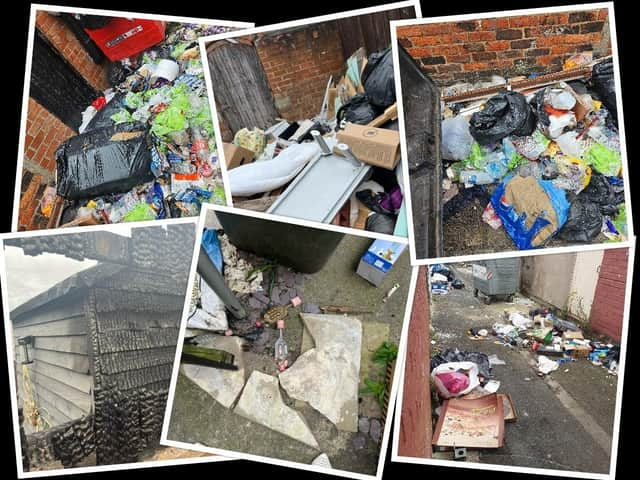

While Gateshead, North Tyneside, and County Durham have the three highest cases involving asbestos, clinical waste, and for chemical drum or oil and fuel dumping, almost nowhere across the region has been left unscathed.
The breakdown across the whole of the North East by council area for 2024/25 is as follows:
- Gateshead: 69
- North Tyneside: 39
- County Durham: 38
- Stockton-on-Tees: 37
- Darlington: 26
- Redcar and Cleveland: 24
- Hartlepool: 19
- Northumberland: 16
- Newcastle: 9
- Middlesbrough: 7
- Sunderland City: 5
- South Tyneside: 0
Samantha Allcott, strategic director, housing, environment and healthy communities at Gateshead Council, said: “Fly-tipping is unacceptable, however the irresponsible disposal of hazardous waste is also dangerous for residents, wildlife and our local environment in general. This is an issue that needs to be addressed and we have been proactively encouraging residents to report environmental crimes.
“Not only do these reports mean we can deal with the waste in a quick and effective way, they also give us the opportunity to build evidence and whenever possible take enforcement action against the guilty party.
The strategic director continued: “We want residents to report issues of this kind and we will take action whenever we can to help prevent things happening in the future and to help everyone to love where they live.”
In September 2025, the local authority increased its maximum fine for fly-tipping to £1,000. In the same year, the council also created a new team of environmental patrollers to monitor back streets.
A spokesperson for North Tyneside Council said: “We take every reported incident of fly‑tipping seriously, particularly the small number involving hazardous waste such as asbestos or oil canisters. We have a range of proactive measures in place to tackle fly‑tipping, including response teams, enforcement action and mobile waste and recycling events.
“Anyone who witnesses fly-tipping in North Tyneside should report it to us so we can investigate and take appropriate action.”
James Gilchrist, head of environment at Durham County Council, said: “We are proud to be part of the only region in the country which has seen fly-tipping incidents fall in the last year. This is reflected in County Durham’s own figures, which show a 9% reduction since 2024/25.
“Since 2020/21, there has been a 39% fall in the total number of incidents and, in that time, we have seen a reduction in every type of waste type dumped. Fly-tipping cases involving asbestos, for example, have fallen by 38% in the last year alone. It should also be noted that County Durham is a largely rural area and one of the biggest local authorities in the country.
“The reduction in incidents reflects the hard work of our teams to tackle fly-tipping, which we take very seriously. We deploy a range of technology to target both offenders and vulnerable locations and this will continue, along with our work to raise awareness of the consequences of fly-tipping. We also take action against those who break the law and promote the many responsible ways to dispose of waste in the county.”