
Record numbers of England's rarest breeding seabird spotted on RSPB reserve in Northumberland
RSPB wardens on Coquet Island are celebrating reaching a record number of nesting roseate terns, the highest in over 50 years.
Their annual seabird census has recorded 155 nesting pairs of roseate terns – surpassing a previous high of 154 pairs in 2022 before Avian flu hit.
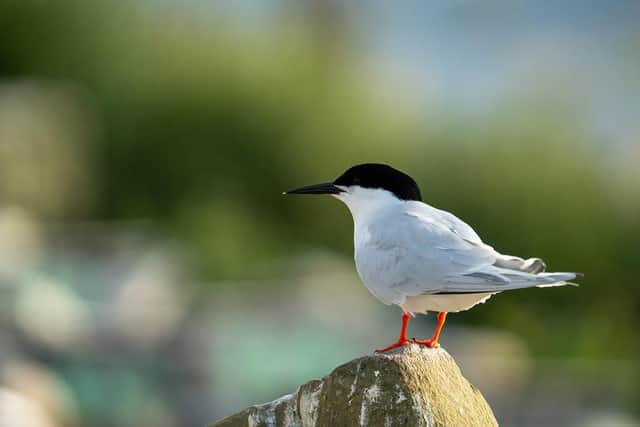

The highest ever number of roseate terns was reached back in 1967 when there were 230 pairs nesting on the island.
There were 355 pairs in the whole of England in 1970 but by 1985 numbers had crashed to just 34 pairs.
As the UK's only breeding colony of this rare seabird, RSPB experts say every additional nesting pair represents another step forward in their population recovery.
So far, over 150 roseate tern fledglings have been counted on the island off the coast of Amble with more expected in the coming weeks.
The good news continues with 27,170 pairs of puffins recorded in breeding burrows – a 45 per cent increase on last year's count of 18,704 pairs and the highest total since 2018.
RSPB reserve manager Sarah Dalrymple said: “To record the highest ever number of roseate terns since we started managing the island is incredibly special. Just one extra pair may not sound like much, but when you're talking about England's rarest breeding seabird, every pair really matters.
“Puffin numbers do fluctuate annually, however, this increase in puffins is also encouraging news, especially after the puffin wrecks seen along the Northumberland coast earlier in the year.”
However, sandwich tern breeding pairs fell by almost 34 per cent, eiders by around 19 per cent and fulmars declined by around 24 per cent compared with the previous year.
RSPB experts say this is a stark reminder of the continuing pressures seabirds face including food shortages resulting from unsustainable fishing practices, disturbance, predation, disease and a changing climate.
Razorbills continued to establish themselves, with five nesting pairs recorded this season (compared with four in 2025) after the very first fledgling was confirmed only last year. Three razorbill chicks were recorded successfully fledging.
Rebekah Goodwill, RSPB warden said: “None of this would be possible without our fantastic volunteers. We're also incredibly grateful to the local community, Amble's boat operators and our conservation partners, whose continued support plays a vital role in protecting this special island.”