
Northumberland Zoo team working to help endangered crayfish
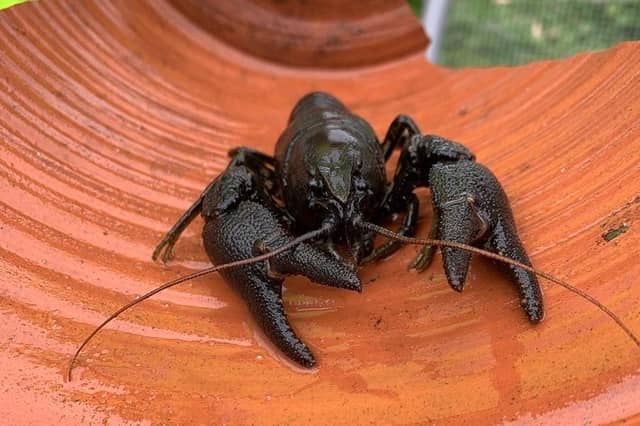

Northumberland Zoo’s team are doing their part to help endangered crayfish.
In September, the Environment Agency began investigating the deaths of around 70 endangered native white-clawed crayfish from the internationally important River Wansbeck population in Northumberland.
White-clawed crayfish are a keystone species for riverways and their absence would have a drastic effect on river biodiversity. They work as cleaners, indicate clean waterways and are a vital food source for otters.
The Centre for Environment, Fisheries and Aquaculture Science are testing crayfish taken from affected locations to understand if an infectious aquatic animal disease has caused the deaths. Currently, all evidence points to the mortalities only affecting crayfish, therefore it is unlikely to cause a risk to humans, pets or other wildlife.
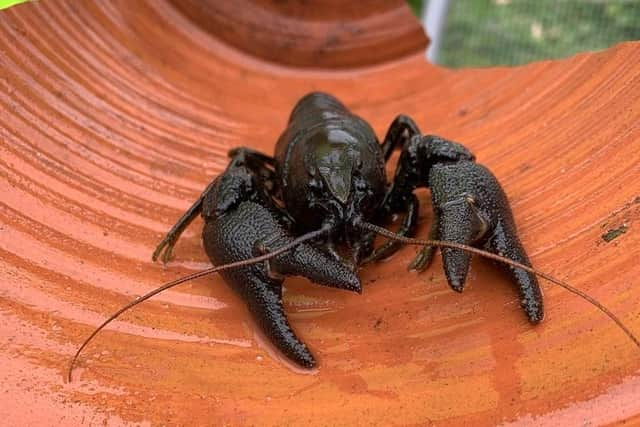
Northumberland Zoo is rearing a population of craylings who will be able to populate new ark sites in Northumberland in the future to help safeguard the species’ future.
In the meantime, the zoo staff urge regular river users follow check, clean and dry procedures to help limit the spread of any potential infection to unaffected areas. You can so this by checking your clothing and equipment for mud, aquatic animals or plant material – which should be removed and left at the site – cleaning everything thoroughly as soon as you can and drying everything for as long as you can before using elsewhere.
While testing continues to identify a cause for the deaths, the Environment Agency is working to determine the likely extent of the affected area. So far they have seen affected crayfish in the main River Wansbeck, Hart Burn, Font Burn and Delf Burn.
If you see any crayfish, alive or dead, please report it immediately to the Environment Agency on 0800 807060. Do not touch crayfish or attempt to move them, as it is illegal to handle or remove crayfish from the water without the correct licences.