
New measures for Northumberland poultry keepers as avian flu cases increase
The government is bringing in new mandatory measures in Northumberland to protect poultry and captive birds from Avian Influenza.
The rules apply to keepers of more than 50 birds and any sellers of poultry products and will be in place until further notice.
This means that from 00:01 on Thursday 30th October it is now a legal requirement for all bird keepers across Northumberland with a flock of 50 birds of any species to keep their birds housed.
If you have any number of poultry which are kept to give away or sell eggs, poultry products or live birds you will also have to house your birds.
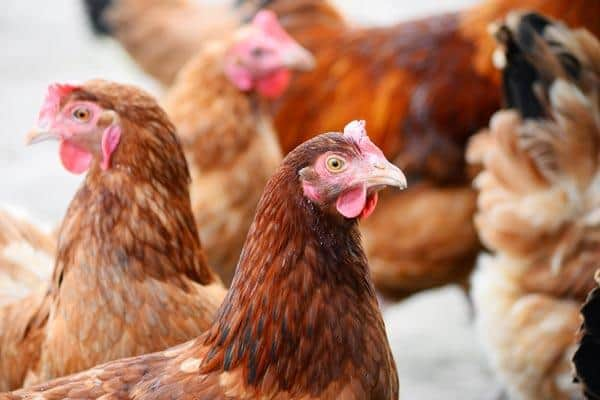

You will not have to house your birds if you keep less than 50 birds and their eggs or poultry products are for your own use only.
The risk of Avian Influenza is seasonally very high due to migrating birds and last week there were confirmed cases in commercial flocks in Cumbria and North Yorkshire.
Bird keepers are also required to keep existing strict biosecurity measures in place to help limit the spread of the disease and keep flocks safe. This includes regularly cleaning and disinfecting equipment, clothing and vehicles when entering or exiting sites and limiting access to non-essential workers or visitors.
Northumberland County Council’s animal health inspectors have been out giving advice to poultry keepers and educating members of the public by placing information signage all along the east coast of Northumberland, country parks and areas that have reported positive cases of Avian Flu in wild birds.
Cllr Gordon Stewart, cabinet member for public safety, said: “The risk of Avian Influenza is currently high which is why the new measures are being introduced to help protect livelihoods and animal welfare,
“No one wants to see their flocks culled so it’s really important, now more than ever, that all bird keepers adhere to the rules and maintain strict biosecurity on their premises to help keep their flocks safe. Please remain vigilant for any signs of disease and if you suspect an outbreak in your flock, please contact DEFRA immediately.”
For full guidance and advice search ‘Avian Influenza’ at GOV.UK