
Keeping horses healthy through long winter
With temperatures beginning to drop and Christmas on the horizon, now is the perfect time for horse owners to start thinking about preparing for winter.
Turnout may become limited, leading to changes in diet, while exercise regimes may also be affected by the darker nights. Both can have an impact on your horse’s condition.
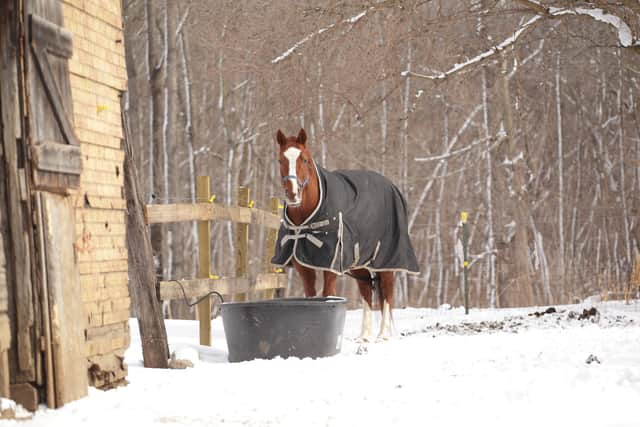

Most horses benefit from a little extra support over the winter months to ensure they come into spring in tip top condition.
Taking some time to plan ahead now can help prevent problems further down the line.
One of the most important considerations is weight management. Assessing your horse’s weight now and adapting feeding regimes and exercise plans can help with weight loss, weight gain or maintenance, depending on your horse’s needs. Body condition scoring and weight taping are simple methods of assessing your horse’s condition and can be repeated monthly to monitor changes.
Measures such as reducing rugging, increasing exercise and carefully managing intake can all be useful tools. Having your horse at an optimal weight coming out of winter, can help reduce the risk of problems such as laminitis.
Water intake is another key area to monitor. Freezing temperatures can prevent horses from having free access to water if troughs ice over, so regular checks are essential. Some horses may also be reluctant to drink very cold water, so offering tepid water or adding flavouring such as mint can encourage water intake. Reduced hydration can predispose horses to certain types of colic, so ensuring adequate water intake is vital.
As grass growth slows, many horses will require additional forage. Good quality hay or haylage should form the basis of most winter diets and should be introduced gradually. Sudden dietary changes can increase the risk of digestive problems such as colic.
Winter weather can also increase the likelihood of leg and foot issues. Wet and muddy conditions can predispose horses to skin and foot problems. Legs and feet should be regularly checked for heat, swelling, pain, scabs or signs of lameness to ensure problems are caught quickly and treated appropriately.
Finally, it is worth taking some time for emergency planning. Keep your vet’s contact details to hand and consider arrangements for transport or stabling should they be required. Emergencies can be very stressful, and winter can feel long, so having a plan in place can make the short days a little easier.
A little preparation now can go a long way towards keeping horses healthy, comfortable and thriving throughout the winter months.
Every horse is different, and winter can present unique challenges depending on their age, workload, health status and management. If you would like advice on any of the topics discussed above, give your vet a call. A little expert guidance now can help prevent problems later and keep your horse happy and healthy throughout the colder months.