
Christmas treats can have serious consequences for dogs
Life as a veterinary surgeon during Christmas is always busy with many keeping tally on how many dogs and cats will prefer chocolate over mince pies.
Alongside the joy and the celebrations, dogs and cats bring a predictable and entirely preventable surge in emergency appointments.
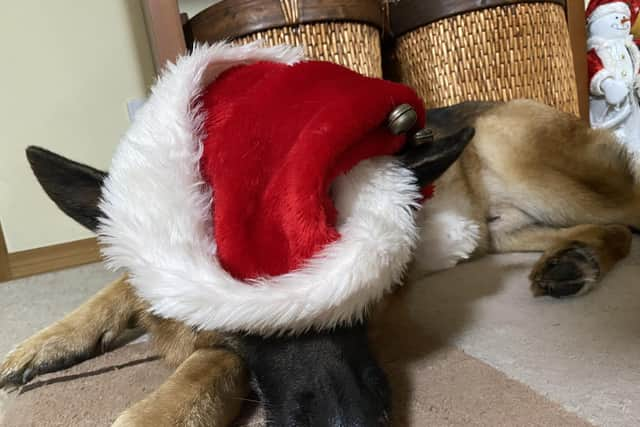

It starts innocently enough, a beautifully wrapped box of truffles left under the tree, a stray Quality Street dropped by a toddler, or even a mince pie left within nose-reach on the coffee table, to our canine companions, these are irresistible treats.
To us vets, they are a ticking clock.
Presented with the ingestion of a toxin most dogs and cats can be made to vomit with the use of certain drugs and stop the toxins from being absorbed in the intestines, this is usually only possible if you rush them to the vets within two hours post “accident”.
Chocolate contains theobromine, a compound that humans can metabolize easily, but dogs cannot and have a much lower tolerance for.
The darker the chocolate, the higher the risk so hide your cocoa powder.
Signs like vomiting, seizures and tachycardia (a high heart rate) are all on the radar but often mean damage has already been done.
Mince pies, Christmas puddings, and fruitcakes are packed with raisins, sultanas, and currants. Even in small quantities, these fruits can cause sudden and fatal kidney failure in dogs and often leave everyone in the vets consult room dreading the blood test results. Pets often stop eating, vomit and drink excessively.
This Christmas I am urging all dog owners across the Northumberland to be extra vigilant. Keep all chocolate and festive baked goods—including those wrapped gifts under the tree – well out of reach. If you suspect your pet has ingested even a small amount, please do not wait for symptoms to appear. Call your vet immediately.
Let’s keep our pets safe this festive season, so the only emergency you must worry about is whether you’ve bought enough pigs in blankets. Please leave the chocolate eating to your vet and not your pet