
Offenders clear waste from Newbiggin-by-the-Sea wildlife hotspot
Offenders serving community sentences are helping to remove large amounts of industrial waste from East Sea Sands beach in Newbiggin-by-the-Sea.
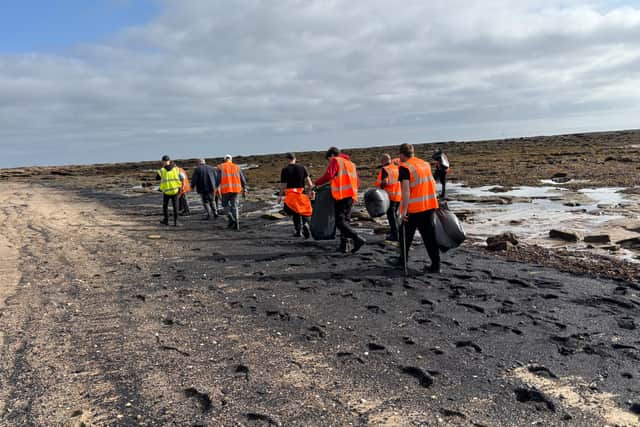

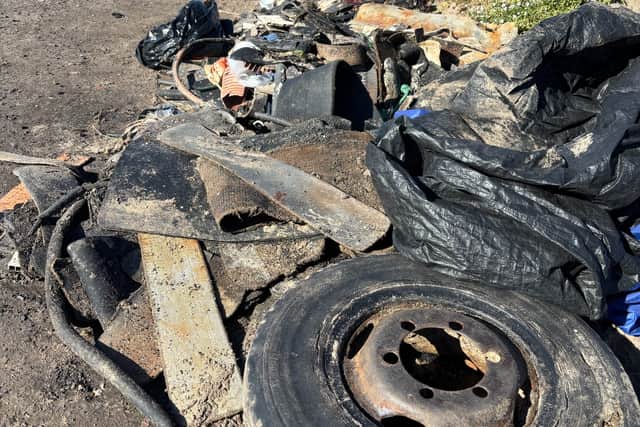
Supervised Community Payback teams are clearing tyres and tonnes of potentially harmful rubber tubing, plastic sheeting and metal piping from the coastline using wheelbarrows and other equipment. The waste is believed to have originated from a historic landfill site at Lynemouth that is being exposed by coastal erosion.
Community Payback is the delivery of unpaid work requirements ordered by courts as part of a community sentence, ensuring people on probation repay their debt to society by helping the communities they have harmed.
The beach is a popular local spot with dog walkers and bird watchers, and these important measures are helping to protect the local environment and make sure the coastline remains a clean and welcoming place for residents and visitors.
Richard Martin, Volunteer Water Safety Officer from Newbiggin-by-the-Sea Lifeboat Station said: "We appreciate the clearing work that the team have undertaken to remove coastal pollution on the East Sea sands.
"This particular initiative is part of a wider coastal remediation strategy to build upon earlier larger coastal environmental improvement works by Northumberland County Council that delivers on a cleaner beach for the benefit of the community while allowing nature to thrive.
"The support by the team to keep the area clean enables these environmental aspirations to be achieved."
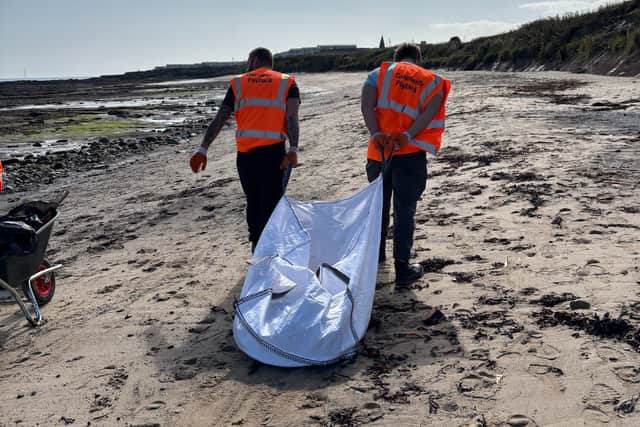
As well as removing harmful waste from the beach, the unpaid work helps offenders get into a working routine and gain practical skills.
Minister for Prisons, Probation and Reducing Reoffending, Catherine McKinnell, said: "Projects like this ensure that offenders give back to the communities they have harmed whilst delivering a positive impact locally.
"As well as protecting the coastal environment, they are developing practical skills, work experience and positive habits that can help them secure employment and reduce reoffending.
“Delivering punishment that also works to cut crime will make our streets safer and better protect the public.”
Community sentences are made up of fourteen possible requirements that those convicted of offences are expected to meet, which include restrictions such as unpaid work they must carry out in the community, exclusion zones, electronically monitored curfew, and treatment programmes. If not met, offenders risk being sent back to court.
The expansion of punishments outside of prison, like community sentences, is part of wider landmark sentencing reforms implemented by the government to ensure order in the prison system and that we always have cells available for the most dangerous criminals.
The government is making long-term fixes to the prison and probation crisis by building 14,000 prison places and investing £700 million to strengthen probation and community services – so that we can lock up more dangerous offenders, ensure punishments cut crime, protect victims, and make our streets safer.
Individuals and organisations can suggest local projects for Community Payback teams to support. To nominate a project, submit a proposal through the GOV.UK Community Payback project portal.