
Events to mark 100th anniversary of General Strike and remember the ‘Cramlington Train Wreckers’
Events are taking place in the coming weeks to mark the centenary of the 1926 General Strike and the notorious Cramlington train derailment that took place during it.
On Sunday May 10, exactly 100 years after the train crash, there will be a walk with talks at the derailment site. The event starts at noon at Alexandra Park’s sensory garden in Cramlington, with speakers at noon, 1pm and 2pm.
Maggie Martin, deputy town clerk at Cramlington Town Council, has been working with volunteers to create a month’s worth of free commemorative activities throughout May at The Hub in Manor Walks.
She said: “These include talks, choir and folk music concerts, a self-written drama performance by students from Cramlington Learning Village, an exhibition and a film.”

For more information about them, go to www.eventbrite.com/cc/local-community-history-month-may-2026-4826374
The Northumberland Miners’ Picnic at Woodhorn on Saturday, June 13, will be themed ‘Free The Cramlington 8’, with events planned throughout the afternoon.
The General Strike was called by the TUC at a minute to midnight on May 4, 1926.
On May 10 of that year, dozens of striking miners lifted a rail in a bid to stop what they thought was a train carrying coal. Their intention was to bring the blackleg engine to a halt.
However, the next train to come along was the Flying Scotsman – a passenger train carrying 281 people.
No-one was killed in the historical derailment and only one person was slightly injured. However, eight miners who were dubbed the ‘Cramlington Train Wreckers’ were sentenced to a total of 48 years’ imprisonment for the derailment.
Due to labour and trade union pressure, the eight men only served half of their sentences – returning home as heroes.
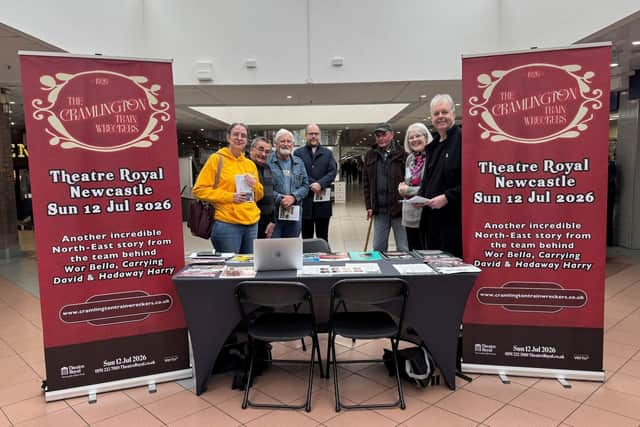
The events will climax with the popular play The Cramlington Train Wreckers at Newcastle Theatre Royal on Sunday, July 12.
Ed Waugh, writer of The Cramlington Train Wreckers, said: “It has to be put into context; it was a General Strike and the country was divided.
“The miners were battling against a 40 per cent wage cut. Feelings were running high and there was a lot of tension.”