
New fares approved for Tyne and Wear Metro
Major changes that will cut the cost of longer journeys on the Tyne and Wear Metro have been approved – but many tickets will become more expensive.
Council leaders have signed off a new package of Metro fares, which will include a £2.50 cap on the cost of a single journey and of £5 for a day’s travel for passengers using a Pop pay as you go smartcard to travel.
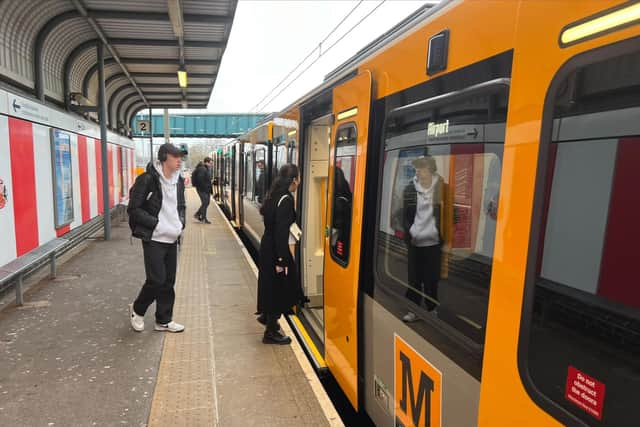

The new prices will come into force on Wednesday, April 1 and will last for 12 months, after being agreed by the North East Combined Authority’s (NECA) cabinet in Blyth on Tuesday afternoon.
Metro operator Nexus described the introduction of the cap as “the biggest savings we’ve been able to deliver for our customers in a very long time”.
But while the measure will significantly reduce fares for some passengers, those making shorter trips will not benefit – and will, in fact, see the cost of using the Metro rise.
The big winners from the policy will be those travelling across three separate Metro zones or using the Northumberland Line, for whom the cost of a single trip will fall by up to 34%.
But there will be a 10% increase in the Pop card cost of a single one-zone Metro journey, up from £2 to £2.20, and hikes of up to 7.1% in the daily travel cap for one and two-zone travellers – which rises to £3.30 and £4.50 respectively.
A number of other tickets are also becoming more expensive. People who still buy paper tickets for the Metro will see their fares increase to a maximum of £5.10 for an all-zone single ticket, more than double the Pop card price, and £7 for an all-zone day ticket.
All weekly, monthly, and annual passes will jump in price by an average 4.6%.
The Metro Gold Card, which offers unlimited off-peak Metro travel for pensioners and customers with disabilities for annual payment, will increase from £15 to £18 per year for Tyne and Wear residents.
The cost of parking at Callerton Parkway, Bank Foot, Regent Centre, Four Lane Ends, Northumberland Park and Stadium of Light Metro stations will rise from £1.50 to £1.80 per day.
However, all fares for young people will be frozen at current rates – including the £1 single fare and £2.20 day rates on a Pop Blue card.
Ticket prices on the Shields Ferry will go up too. Single tickets for adults will increase by 20p for paper tickets to £2.80 and 10p for Pay as You Go to £1.70. Day tickets will increase by 20p for Pay as You Go to £3.00 and by 10p to £4.20 for paper tickets.
Overall, the changes amount to an average 1.5% fare increase and are expected to generate an extra £700,000 of revenue in the next year.
However, the introduction of the capped Metro fares will need to be subsidised by mayor Kim McGuinness to the tune of an estimated £1 million in order to compensate for lost income.
Speaking after Tuesday’s NECA meeting, Gateshead Council leader Martin Gannon said that a Metro cap to mirror the North East’s limit on bus fare prices was a “rational” move.
Asked why a cap that will not benefit all passengers was being introduced, the Labour councillor said: “Of course, there is a cost implication to it [the price cap]. Ideally what I would want is fares as low as possible everywhere, but we have to make sure the service is sustainable and manages to generate significant revenue to run services without the fares being excessive.”
Transport chiefs are hoping that the fare cap will encourage more people to use the Metro and grow its income stream, at a time when Nexus is needing to spend around £18 million of its reserves by 2029 to balance the books.
Sunderland Council leader Michael Mordey told colleagues that the new Pop fares would “save a lot of people across Sunderland a significant amount of money”.
Coun Gannon added: “There are a number of factors that determine usage of public transport. Passengers want it to be clean, on time, cheap, and reliable – get those things right and people will choose to use public transport rather than be stuck in a traffic jam. It is because services are too expensive, because they are not reliable and keep on letting people down, that people feel they have no choice but to use their cars.
“Price is important but it is also about cleanliness, safety, and reliability – I think reliability more than anything else.”