
Nine parishes in Northumberland left with no functioning council due to lack of members
Nine parishes in Northumberland are currently without a functioning parish council due to a lack of willing volunteers to serve.
Parish councils require a minimum number of members to make proceedings valid – known as quorum – meaning without enough councillors some councils are unable to meet.
Parish councils are the first tier of local government in England, and perform a variety of duties including managing allotments and parks and provide a community voice on planning applications. They may also be referred to as town or community councils.
The nine parishes without councillors are: Akeld, Ewart, Kilham, Bewick, Hartleyburn, Roddam, Earle, Ilderton and Snitter.
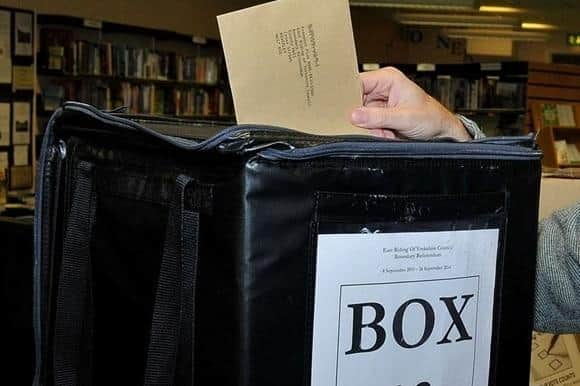

A notice of election has been published by Northumberland County Council twice since May, but no nominations were received. The council has launched a community governance review, which will allow the county council to make changes to parish councils.
The review will allow the council to create, merge or abolish some parishes in a bid to provide representation.
Speaking at the Tynedale Community Partnership, the county council’s head of elections Lynsey Denyer said abolition was a last resort.
She said: “We have 162 parishes in Northumberland, which is an awful lot. Some of them function better than others.
“We have a number of parish councils which became dormant or struggled to maintain their membership and therefore nine parishes which don’t have any representation. Some have no members and others struggle to maintain membership and become quorum.
“This is a consultation exercise, it’s not the county council making changes to the town and parish councils. Communities know their areas better than we do.
“Some councils are looking to consider what they can do to ensure their residents are represented. They can consider grouping or amalgamation.
“Abolishing a parish is a last resort. Where we have no representation we will be looking to merge them.”
The community governance will run until the end of 2026, with significant consultation with local councillors and residents throughout that period. Any changes will not be implemented until after the next round of local elections in 2029.
To become a parish councillor, a resident must either be elected or co-opted. Elections are held once every four years alongside elections for county councillors.
If there are fewer candidates than seats available, councillors can be elected unopposed, or co-opted to the council.
The county council also provides guidance on the amount fo time taken up by being a parish councillor. It states: “Councils usually have a meeting once a month, others only every 2 or 3 months to which members of the public are also invited.
“Meetings tend to be on weekday evenings and may last one to two hours, depending on what’s on the list of items to discuss. Some larger councils may also have sub-committees to deal with specific subjects, such as planning matters.”
Prospective parish councillors must be at least 18 and be a British citizen, an eligible Commonwealth citizen, a citizen of the Republic of Ireland, a qualifying EU citizen or an EU citizen with retained rights.