
Herring gulls campaign in Eyemouth paying dividends
A campaign to restore a balanced relationship between the public and herring gulls in a Berwickshire town is paying dividends.
The Berwickshire Marine Reserve’s ‘Do Not Feed the Gulls’ campaign in Eyemouth has been based on public education, community engagement and the introduction of the UK’s first dedicated ‘Gull Ranger’.
It followed growing concerns from residents and business owners around the harbour over aggressive dive-bombing from rooftops, particularly during the nesting season when the gulls become protective of their young.
It culminated a couple of summers ago when seven children were attacked by gulls within a single month, leaving some with gashes on their scalps and blood running down their faces.
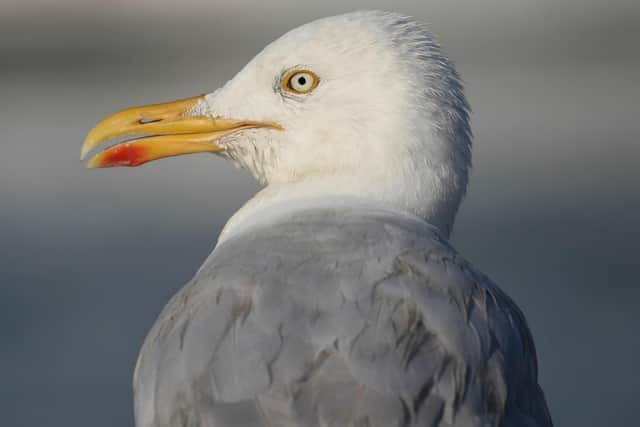

The campaign’s goals and actions include informing locals and visitors about natural gull behaviour, reducing nuisance complaints and protecting local wildlife.
The public is being advised not to feed the gulls, as convenience foods alter their natural behaviour, and to dispose of food waste and litter properly in bins.
It is an approach that is working, according to East Berwickshire Independent councillor James Anderson, who said: “The Berwickshire Marine Reserve’s ‘Do Not Feed the Gulls’ campaign appears to be having a positive effect in the central areas of the town.
“There is growing awareness that feeding gulls, particularly unsuitable human food, contributes to nuisance behaviour and encourages birds to remain in built-up areas rather than relying on natural food sources.
“There remains an issue in some housing estates, where gulls are still being fed, and with a small number of individuals who continue to provide inappropriate food despite repeated messages.
“However, locally the campaign is helping to change behaviour. There are signs that more birds are returning offshore to feed naturally, rather than gathering in the town centre.”
He added: “The combined approach of public awareness work, responsible waste management and the local businesses that contribute towards falconry activity should help reduce the bulk of the problem during the summer period.
“I will continue to support this work and will follow up on progress towards a gull-feeding by-law after the summer, once Scottish Borders Council officers have had time to complete the preparatory work needed to bring forward a legally robust proposal.”