
Fresh bid to turn former care home in Ashington into housing turned down by council
A revised planning application to convert a former Grade II listed care home in Ashington into residential properties has been turned down.
The fresh bid was submitted by FM Construction after Northumberland County Council refused the previous 10-unit proposal.
The former care home on Moorhouse Lane, which closed in 2019, was housed in an 18th and 19th Century farmhouse and steadings complex.
Planning officers at the local authority concluded in a report that despite the changes, their view was that the development would “harm the significance of the designated heritage asset, with no significant public benefits identified to outweigh this level of harm”.
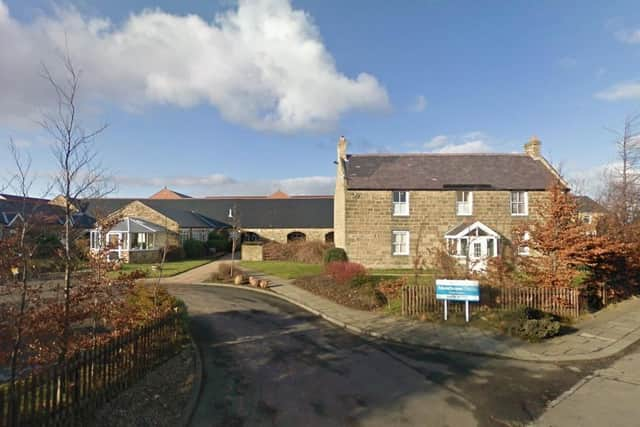

The wording for the fresh application stated: ‘Conversion of vacant care home into eight residential units (five single storey and three duplex) together with refurbishment and continued use of the existing adjoining dwelling (resulting in nine dwellings in total) with associated internal and external works (part retrospective).’
The application’s design, access and heritage statement included the following: “The design has responded directly to the previous reasons for refusal and the detailed feedback of the council’s heritage and planning officers.
“Modern additions that previously harmed the integrity of the group – such as the hipped extension and conservatory – have been omitted entirely; rooflight numbers have been reduced and standardised; openings have been rationalised with agricultural restraint; and fabric repairs are now specified in appropriate traditional materials.
“Collectively, these refinements transform the scheme from one that caused harm into one that delivers clear heritage benefit.”
The proposed external works consisted of alterations to existing openings, including the installation of timber framed glazing, the installation of cast iron rainwater goods and the installation of conservation style roof lights.
The more detailed section of the planning officer report included the following: “Whilst the long-term occupation and reuse of the building, the replacement of uPVC windows with timber joinery and the replacement of uPVC rainwater goods with cast iron are acknowledged as positive aspects of the scheme, these measures are largely corrective in nature and do not outweigh the outstanding concerns regarding inappropriate repairs, unresolved roof works, the absence of an adequate mortar specification, uncertainty regarding the long-term compatibility of the insulation strategy with the traditional fabric and the failure to maximise opportunities to enhance and better reveal the significance of the heritage asset and its setting.
“Accordingly, it has not been demonstrated that the proposal would preserve the special architectural and historic interest of the listed buildings or conserve and enhance their significance and setting.
“Furthermore, the proposal fails to provide the clear and convincing justification required for the identified heritage harm and fails to demonstrate that any public benefits are sufficient to outweigh that harm.”