
Transport chiefs respond to jet fuel shortages as holidaymakers fear flight and trip cancellations

Europe has historically relied on the Middle East for 75% of its jet fuel imports
With the holiday season upon us, many would be holidaymakers are concerned about the ongoing conflict in the Middle East and the impact on jet fuel availability, rising cost of flights and, worse still, the prospect of flight and holiday cancellations.
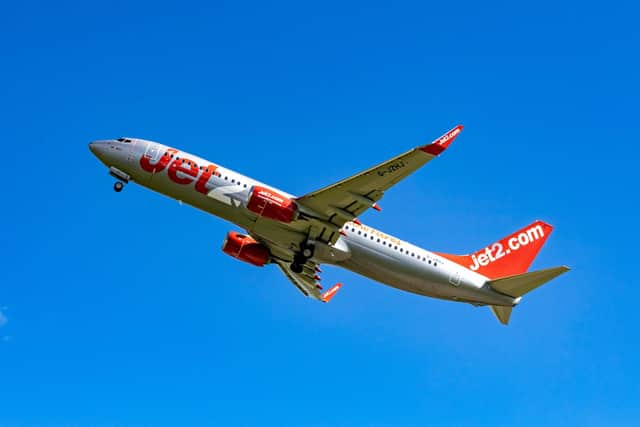

Two weeks ago the International Energy Agency (IEA) warned “stocks would reach a tipping point in June if Europe was unable to replace at least half of its jet fuel imports from the Middle East”, potentially hitting May half-term holiday flights and the July and and August peak holiday season.
Whilst a cease fire is currently in place, The Strait of Hormuz, a key route for jet fuel out of the Gulf, has been effectively closed by Iran, with oil tankers still unable to safely pass.
The IEA warned Europe has historically relied on the Middle East for 75% of its jet fuel imports.
However, in a bid to reassure holidaymakers, the Department for Transport (DfT) has this week issued a statement that “UK airlines report they are not currently seeing a shortage of jet fuel”.
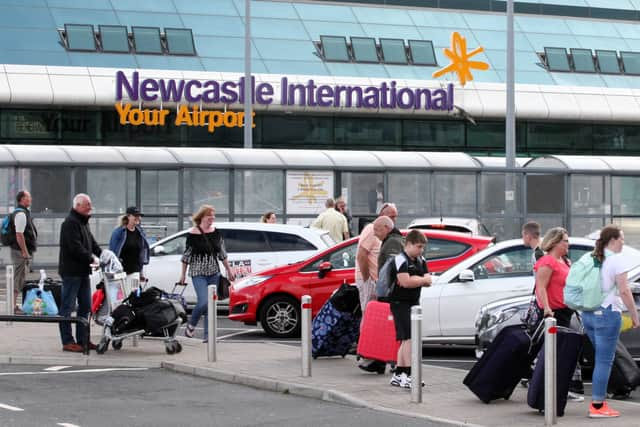
The DfT spokesperson added: “UK airlines are clear that they are not currently seeing a shortage of jet fuel. It is typically bought in advance, with airports and their suppliers keeping stocks of bunkered fuel to support their resilience.
“There is no current need for passengers to change their travel plans. UK airlines buy jet fuel in advance, and airports maintain stocks to support their resilience. The government is working closely with the aviation industry to monitor risks and minimise disruption to passengers.
“We recognise that families may be concerned, and that aviation and tourism businesses are operating in challenging global conditions. We are working hand‑in‑hand with industry to help flights keep operating.”
On the ongoing situation in the Middle East, the spokesperson added: “Since the closure of the Strait of Hormuz, we have been closely monitoring UK jet fuel stocks and working with airlines, airports and fuel suppliers to ensure passengers keep moving and businesses are supported.
“We continue to plan for a range of contingencies, while focusing on securing a long lasting and workable solution to get shipping flowing freely again through the Strait of Hormuz.”
The DfT has also said passengers have the “right to a full refund or re-routing” if their flights are cancelled.
Airport Coordination Limited has also announced a relaxation of take off and landing slots.
Under normal rules, airlines must use at least 80% of their allocated slots during a season to keep them for the following year.
Airlines have been told this will no longer apply if they lose slots due to fuel shortages preventing them from flying.