
Wildlife expert tells of plan to continue protecting rare bird colony
A wildlife guardian is tapping into expertise from Europe to further protect a colony of Britain’s rarest nesting seabird off the Northumberland coast.
Roseate Tern numbers have been growing on Coquet Island – their sole UK colony – since the early 1980s, after the population crashed to just 18 breeding pairs.
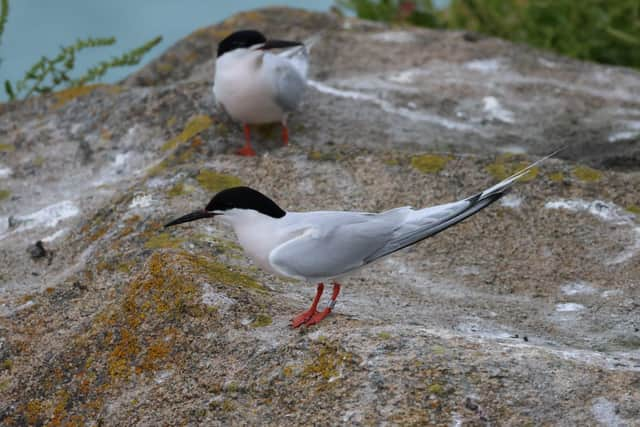

Work by the Natural History Society of Northumbria, the Royal Society for the Protection of Birds, the Duke of Northumberland – who owns the island – and wildlife volunteers has been carried out to support them.
Dr Paul Morrison - a specialist in seabird management and protection - is now strengthening links between seabird managers in Europe and Northumberland to make sure this progress continues.

He said: “The decline of this iconic and elegant seabird started in Victorian times when they were trapped to collect their beautiful feathers to adorn ladies’ hats, a practice was banned in 1921 but the decline has continued in recent decades.
European Roseate Tern numbers have been boosted by two international initiatives funded by the EU Life programme – aimed at sharing knowledge and management techniques.
In 2015, Paul was appointed UK Roseate Tern Ambassador and recently visited the Brittany nest sites, hosted by Bretagne Vivante, helping with monitoring and ringing Roseate chicks and next week will be engaged in similar work on Rockabill.
Paul explains, “Maintaining the link between Roseate Tern nest sites across the UK and Europe is incredibly important so that we can do the best we can for this iconic species.
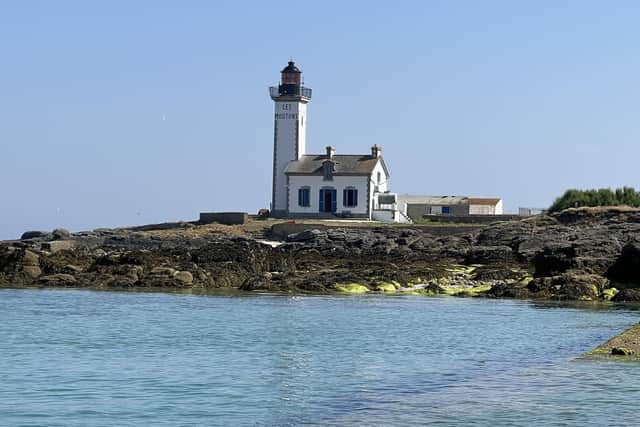
"Since completing my work on Coquet after 38 years, I have been able to focus and strengthen the exchange of knowledge with dedicated researchers, managers and wardens to benefit Roseate Terns.”
He added: "This year, the knowledge network has expanded to include the Isle of May in Scotland where Roseates nested a few years ago. Here’s to a rosy future for the species.”
The eight-hectare nature sanctuary on Coquet Island is a key site for maintaining seabird diversity in Northumberland, and also includes nesting eider duck and three species of tern.
Prof Chris Redfern, an ornithologist and researcher who has studied tern species on Coquet Island for 26 years, said “The existence of Coquet Island as a nature sanctuary is down to the foresight and wisdom of the Natural History Society of Northumbria and the enthusiastic support of the landowner, the Duke of Northumberland.
“When Paul started volunteering on Coquet Island in the early 1980’s there were only 18 pairs left, despite limiting public access to reduce disturbance.
"The species hung on but in 2000 Paul visited Rockabill, an island in the Irish Sea, to observe how habitat was managed to benefit the 600 breeding pairs of Roseate Terns there.
“He brought these management techniques back to Coquet Island in 2000, and immediately the Roseate tern population increased”.