
Solar panels at Longhoughton Sports and Community Centre set to save £2,000 a year
A community hub is helping to lead the charge towards a greener future.
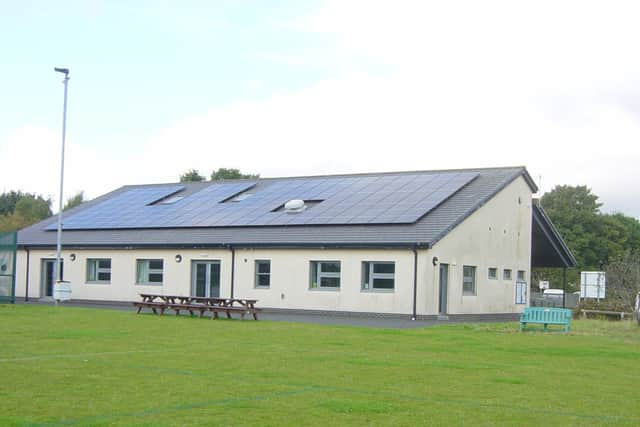
Solar panels have been installed on the south-facing roof of Longhoughton Sports and Community Centre.
The electricity generated from the 76 panels will flow into batteries and be used for powering the electricity needs of the centre.
The solar panels and batteries, costing £57,000, have been installed by Northumberland Community Energy Limited (NCEL) who own the equipment and sell the electricity generated at 15p per kilowatt hour to the centre. Any surplus electricity is owned by NCEL and will be sold to the electricity grid.

Jeremy Pickard, chair of trustees at Longhoughton Centre, explained: “This scheme should initially allow the centre to reduce its electricity cost by up to £2,000 per year and further savings will come in future years.
"The centre has been pursuing this scheme for over two years and the great thing is that the 15p price for each kilowatt we are paying to NCEL is contracted, at this price, for 20 years.
"It is a great deal and will help the Community and Sports Centre to move towards having all its energy needs coming from renewable sources.”
The installation has been funded by the North East and Yorkshire Net Zero Hub and the National Lottery Community Fund.
NCEL’s Solar-Powered Buildings Project aims to provide sustainable energy solutions for village halls, churches, and community sports facilities across the region.
Hosted by Community Action Northumberland (CAN), and developed in partnership with the Rural Design Centre and the National Innovation Centre for Rural Enterprise, the project involves installing solar PV panels and battery storage systems on rural community buildings.
Andy Dean from CAN emphasised the importance of the project: “We all need to reduce our carbon emissions – including community buildings. Greater use of self-generated energy will significantly reduce the running costs of community buildings, particularly important in times of rising and fluctuating energy costs.
“In addition, Storms Arwen and Malik highlighted the potential impact of power cuts and loss of connection to the national grid. Battery storage of electricity enables power to be maintained until re-connection has been achieved – particularly important for those community buildings which act as formal Emergency Rest Centres or Community Response Hubs.”