
Puffin census underway on the Farne Islands as rangers begin vital annual count
Rangers on the Farne Islands have begun their annual puffin census - a vital survey that helps build a long-term picture of how the UK’s beloved seabirds are faring.
The islands, cared for by the National Trust, are home to one of the country’s most important puffin colonies, with tens of thousands of breeding pairs returning each year.
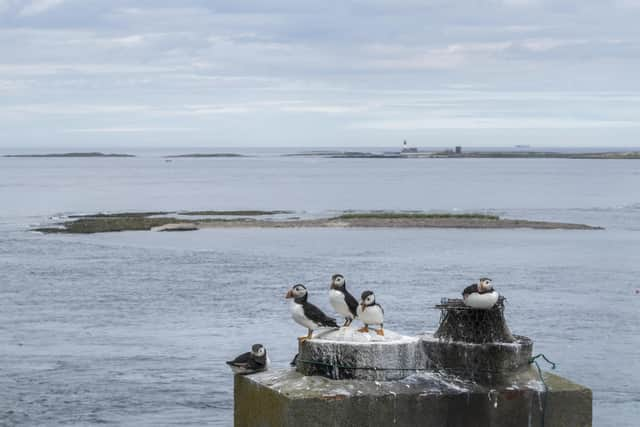

The annual census plays a critical role in monitoring their population and understanding the pressures they face, from climate change to food availability and disease.
This year’s count will see rangers carefully surveying burrows across multiple islands, using established monitoring techniques to estimate the number of breeding pairs.
Recent seasons have seen the effects of avian influenza, extreme weather events and shifting marine conditions, all of which can influence breeding success and long-term population trends. The 2025 puffin census revealed a decline in puffin numbers compared with the previous year.
Tom Hendry, area ranger for the National Trust on the Farne Islands, said: “Every year, as the puffins return to the Farne Islands, we’re reminded what an incredible place this is for wildlife.
“The census is an essential part of our work - it helps us understand how puffins are coping in a rapidly changing world, and what more we can do to protect them.
“After the challenges of recent years, it’s more important than ever that we continue to monitor these seabirds closely, so we can give them the best possible chance of thriving in the future.”
He continued: “Seabirds like puffins are a key indicator of the health of our wider marine environment. The Farne Islands are internationally important for breeding seabirds, and the data gathered through this census contributes to a much bigger picture - helping inform conservation efforts not just here, but across the UK and beyond.”
Because puffins nest underground in burrows, they can be difficult to count directly. To overcome this, rangers use a recognised scientific approach during the census, dividing the islands into survey areas and sampling burrows to identify those that are ‘apparently occupied’ - signs include feathers, discarded fish, poo and signs of fresh digging. These findings are then extrapolated to estimate the overall population, providing a reliable picture of puffin numbers and helping track changes over time.