
Port of Tyne issue official response to nurdle spillage concerns
The Port of Tyne has issued an official response to concerns over the nurdle spillage in the River Tyne.
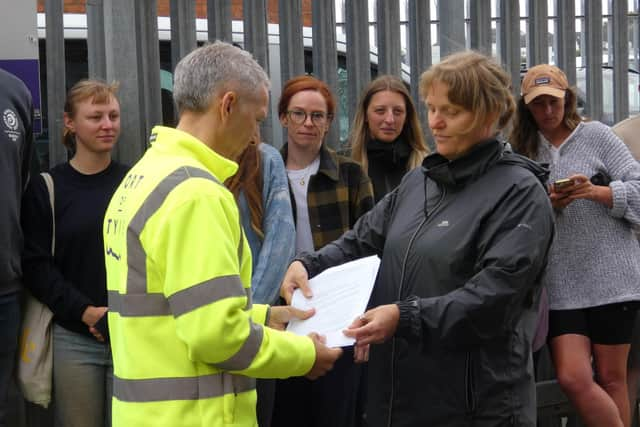
Volunteers and environmental campaigners met with Port of Tyne’s chief executive Matt Beeton to discuss the ongoing response to the recent nurdle spill on the River Tyne.
In discussions over two meetings with community representatives from North Tyneside and South Tyneside, Mr Beeton and senior staff from the Port answered questions and briefed them on the Port’s immediate response to the vessel collision and subsequent efforts to collect nurdles from the River Tyne.
He revealed that the Port’s initial focus following the collision had been a salvage operation to remove the collapsed crane and turn the container ship BG Orange around.

This allowed Port staff to remove the damaged containers, three of which still contained several tonnes of nurdles, which were therefore prevented from entering the river.
The Port’s priority will now be engaging the community’s volunteers on how they can best help.
Having listened to the concerns and requests from the communities north and south of the River, the Port is putting together a plan of action which will allow volunteers to help on the river in a safe and controlled manner.
Mr Beeton said: “It was fantastic to spend a couple of hours with volunteers to share ideas, answer questions and begin a dialogue that will be so important as we all come together in the continued cleanup operation.
“In that sense today’s meeting strengthened those relationships as we work together for the best outcomes for the whole region.”
He added: “It has been a complex and difficult two weeks, and I am proud of our staff for the way they have responded to what was a traumatic event. It was great to speak to local people to share what happened and help them understand how we responded and why.
“Now that the salvage operation has passed a critical stage, we are putting plans in place to invite the community to help in a safe and managed way. The solution will be in conversation with volunteers who will play a major role in deciding what we do and how we do it, as well as taking part in the continued cleanup.”