
Plastic pellet spill likely to become 'long-term' Enviro issue
Environmental experts have warned that a spill of plastic pellets into the river Tyne has to be treated as a long-term ecological issue – not just and immediate clean-up challenge.
Millions of the pellets – called nurdles – were washed into the river after a collision between two ships at the Port of Tyne on July 19 – and have been washing up on the Northumberland, North Tyneside and South Tyneside coast.


Environment charity, the Tyne Rivers Trust, says the full consequences for fish, wildlife and river habitats may take months or years to understand.
Sophia Stovall, chief executive of the Trust, said: “It is far too early to know the full environmental consequences of this incident, but experience from other major nurdle spills suggests it is unlikely to be remembered solely as a short-term clean-up problem.
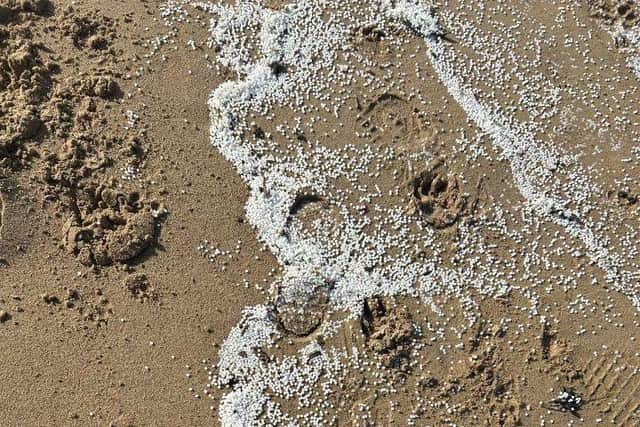
“They are extremely difficult to recover completely once they enter a river or marine environment and can be transported by tides, currents and wind, become trapped in habitats and continue to move through the river, estuary and coastline long after the initial incident.”
Nurdles are usually between 1mm and 5mm in size and used as the raw material to manufacture many everyday plastic products.
Their small size and appearance mean they can be mistaken for food by fish, seabirds and other wildlife – and their impact extend up through the food chain.
Over time, they will also weather and fragment into increasingly small pieces of microplastic, creating a source of pollution that persist for many years.
Ms Stovall added: “Our expertise is in river ecology rather than pollution incident response, but we understand the impact plastic pollution can have on fish, wildlife and habitats.
“The pellets may be small, but the potential ecological impact is not.”
The Trust has praised the response from residents, volunteers, local authorities, specialist contractors and community organisations working to recover the pellets and protect affected areas.
Ms Stovall said: “The response from communities has been remarkable.
“People have given up their time to help protect the Tyne, our coastline and local wildlife.
“It is important that this work remains safe and coordinated.
"We would not advise people to enter the river to recover nurdles, and anyone wishing to help should follow the latest guidance from the relevant local authority.”