
Blyth beach pollution: Substance identified after suspected oil spill
A substance found on a Blyth beach has now been identified, prompting a multi-agency pollution investigation.
Back in August, a potential oil spill was investigated at South Beach in Blyth after a ‘strong-smelling substance’ was identified forming a sheen in water and on the sand.
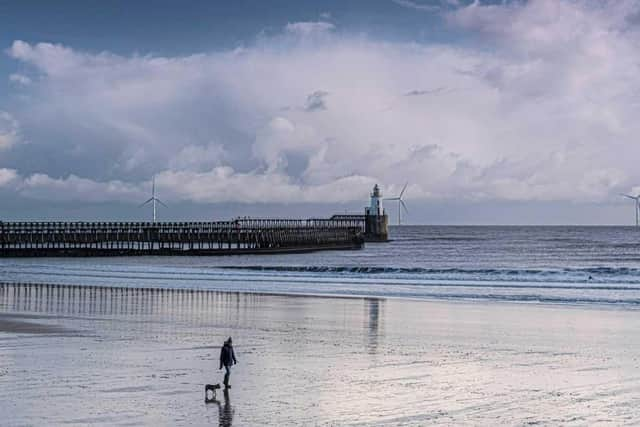

As of October 5, laboratory testing has confirmed that the substance identified on the beach is creosote.
The Environment Agency, Port of Blyth, Northumberland County Council (NCC) and other partners are now working together to respond to the ongoing pollution incident.
Investigations indicate that the likely source of the pollution is a former timber treatment works that operated on land adjacent to the affected area of the beach until approximately 1980.
Historical records suggest that creosote was used as part of the treatment process.
The Port of Blyth has appointed specialist consultants to support the next phase of the investigation, and good progress has been made in developing a detailed site investigation plan and assessing options for cleaning up the contaminated land.
Partners have agreed a plan that sets out the main stages of the investigation and clean-up.
Current restrictions remain in place, and NCC are continuing to advise the public to not enter the affected area and to follow instructions on signs at the beach.
Although we are no longer in the official bathing water season, advice against bathing for the affected section of the beach (north of the Dave Stephens Centre) is still in place.
Additional weatherproof signs will be installed ahead of the winter period to ensure advice remains visible and accessible to beach users.
The Environment Agency has also put in place a regular programme of seawater testing along Blyth South Beach.
The results will help monitor water quality and provide the evidence needed to support any future decisions about bathing water advice and restrictions on access to the beach.