
Ancient mussels filter their way back to life in Northumberland rivers with benefits for many more species
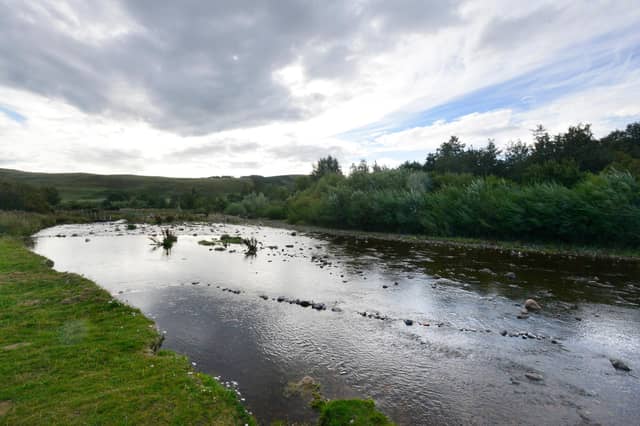

Conservation efforts to give species such as freshwater pearl mussels a new lease of life are paying dividends in Northumberland.
A £13m investment by Natural England over the past two years has seen specialist teams carry out projects in river catchments across the region.
This includes Tyne Rivers Trust's innovative MaST project which has created 10 hectares of new wetland habitat along the River Rede, a major tributary of the North Tyne.
The project recognises the intricate relationship between freshwater pearl mussels and healthy salmon and trout populations - the mussel larvae must attach to the gills of these salmonids during a crucial stage of their lifecycle.
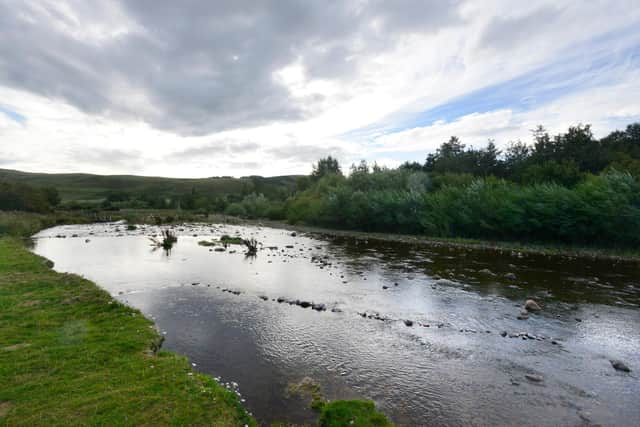
The success of these mussel restoration projects depends on addressing root causes of decline - pollution, habitat degradation, and declining fish populations.
By taking a whole-catchment approach, conservationists are creating conditions where mussels can once again fulfil their role as ecosystem engineers, stabilising river beds and supporting the complex web of life that depends on clean, flowing water.
While the freshwater pearl mussel is the primary target species, habitat interventions undertaken by river conservation projects across the Wansbeck, Coquet, Till, Breamish and Tweed, catchments are also providing benefits to other critically important species including the European eel and the Atlantic salmon, alongside brown trout, river lamprey and otter.
The restoration efforts involve working closely with farmers and landowners to reduce agricultural runoff, plant native trees along riverbanks, install natural flood management features, and create the clean gravel beds essential for both mussel survival and fish spawning.
The collaborative approach brings together expertise from rivers trusts, wildlife organisations, academic institutions, farmers, and government agencies.
Volunteers have contributed thousands of hours to habitat restoration work, from planting hedgerows to building leaky dams that slow water flow and reduce erosion.
Ginny Swaile, Natural England Deputy Director for Northumbria, said: “As England works towards nature recovery targets and cleaner waterways, the humble freshwater pearl mussel is proving that saving endangered species and improving water quality are not separate goals - they are two sides of the same conservation coin.
"The MaST project in the Rede catchment exemplifies innovative species recovery in action. By creating wetland habitat and addressing agricultural pollution sources, we're not just saving critically endangered mussels - we're building the foundation for thriving salmon and trout populations.”