
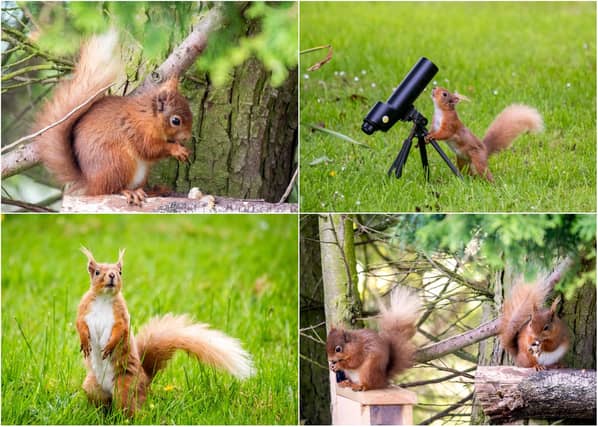

Thankfully, Ian Glendinning had a second one handy and managed to capture these stunning shots in the Coquet Valley.
The retired police officer (63), who is doing post graduate research for a Masters in environmental science, started to study two family groups of red squirrels in May, and has been documenting their behaviour and interactions with photos and video.
He said: “I started to put objects into the areas where they were burying food. I found that they were so inquisitive they came to look and examine anything I put down, so I turned this behaviour into photo opportunities. Northumberland is one of the few strongholds left in England where there are populations of red squirrels."
Here are a dozen of his fantastic photographs which show some of the county’s most elusive residents in a way you've never seen them before...
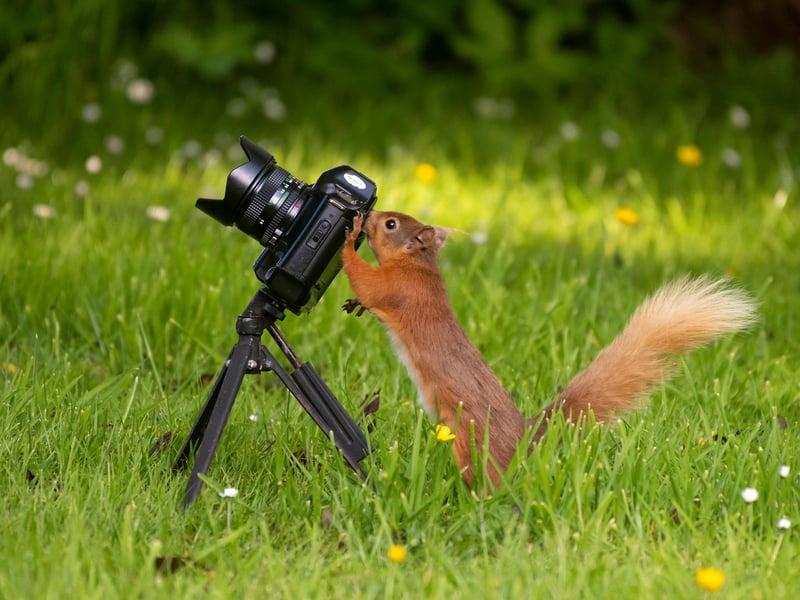
9. Looking through the lens
Squirrels are naturally curious animals, and if they hear you making sounds similar to theirs, you can expect to see them approach you to investigate. With time, patience and repeated sessions, they will eventually walk right up to you, and even become excited to see you when you approach. Photo: Ian Glendinning
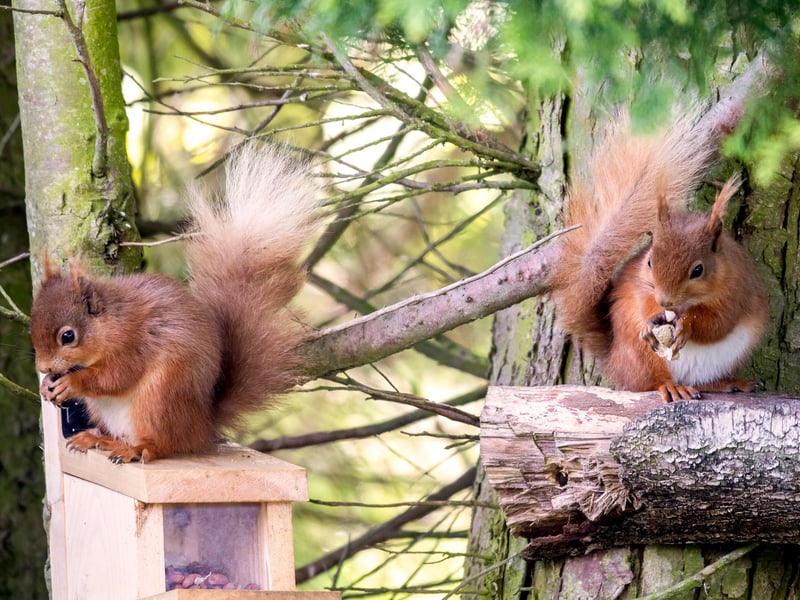
10. Time for a snack
Squirrels live mostly high up in trees and build nests - called dreys - in the forks of branches. Often two or three dreys are in use at any one time; these may be close together or wide apart, depending on the squirrels' range. Photo: Ian Glendinning
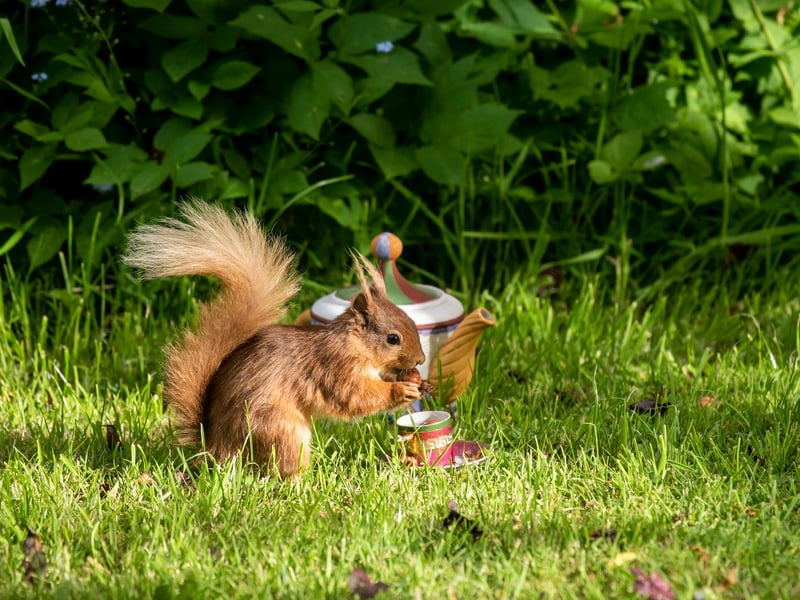
11. Anyone for tea?
A squirrel grabs a nut out of a tiny teacup. Did you know: squirrels have four front teeth which never stop growing throughout their lives. This ensures that their teeth don't wear down from constant gnawing on nuts and other objects. Photo: Ian Glendinning
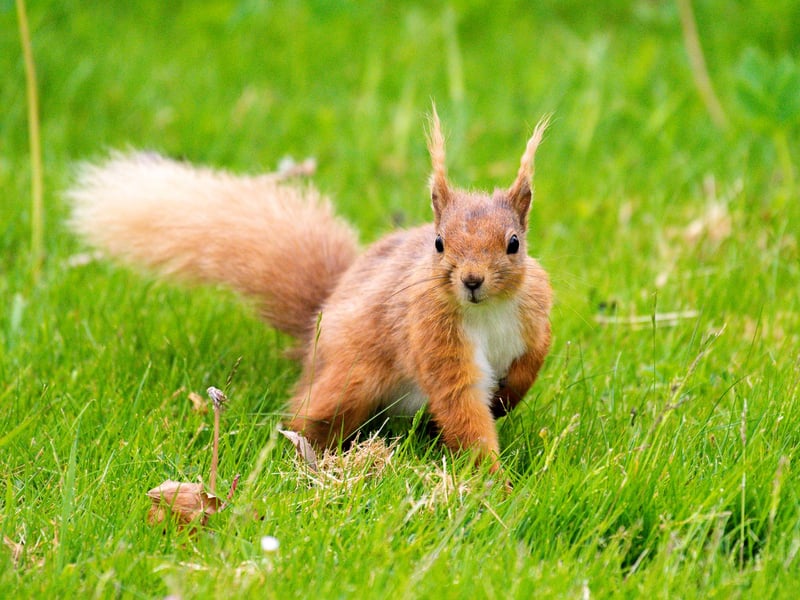
12. Bright-eyed and bushy tailed
Red squirrels were widespread in the UK until the 1940s but suffered a sharp decline in numbers and are now classified as an endangered species. Their threatened status is largely down to the rise of the grey squirrel population, due to their larger and more robust nature and transmission of the squirrel pox virus. Photo: Ian Glendinning