
Mayor welcomes new powers to bring in regional tourist levy
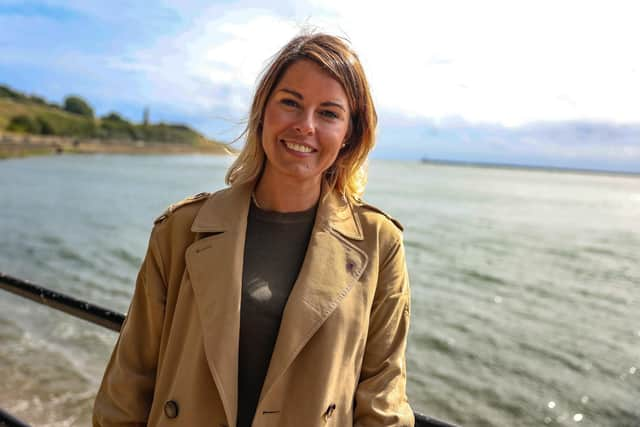
North East Mayor Kim McGuinness has welcomed being given the power to introduce an overnight visitor levy in the region.
The Government says the new measure is aimed at ensuring more of the benefits of tourism stay in local communities, with a Number 10 spokesman adding: “We trust local leaders to make decisions for their areas.”

In the North East, Northumberland alone welcomed more than 11 million visitors last year – a record for the county and including 1.2m who stayed at least one night.
Prime Minister Andy Burnham’s office said: “More than 42 million international visitors came to the UK last year, spending more than £32bn.
“This levy is about ensuring more of the benefits of that tourism stay in local communities.”
The Mayor said: "I want the North East to be known across the world as a place people want to visit, stay and keep coming back to.
"This weekend’s Great North Run shows the power of events to bring millions into the local economy and people from all over the world.
"A visitor levy could help us bring major international events to our region, back local businesses, improve visitor attractions, build on the 90,000 jobs already in this sector and unlock opportunities that come from a thriving visitor economy.
"Most importantly, the money raised here would stay here, helping us invest in the future of our region rather than waiting for Whitehall to do it for us."
The size of the levy will be decided by mayors and charged as a percentage of the cost of accommodation, rather than a flat fee – which the Government argues will protect budget holidays.
The tax would have no upper limit, though Government sources said local leaders are likely to opt for “a few per cent”.
Richard Bond, owner of holiday let management company Finest Retreats, warned that a tourist levy could have a damaging impact on places like Northumberland.
He said: “This is another blow to the UK’s tourism industry. Disguised as empowering local government, it’s essentially an anti-growth policy.
"For areas that introduce the visitor levy, fewer visitors could mean layoffs, or at the very least, fewer seasonal hires, especially considering these businesses are already absorbing higher National Insurance and minimum wages costs, none of which were in the manifesto.”
He added: “The UK’s tourism hotspots rely on visitor spending. If a nearby area introduces the levy and Northumberland doesn’t, being the cheaper option will mean visitors will follow and more trade and seasonal jobs will be created.
"But get it wrong and the opposite is true. This is a stark test of how much each community depends on tourism for their local economy, and frustrating for the business owners who aren’t a part of the decision yet have to shoulder the fallout.”
Plans for the tax were first announced under Sir Keir Starmer following similar schemes introduced by the devolved administrations in Scotland and Wales.
Allen Simpson, chief executive of UK Hospitality, had warned against the move.
He said told BBC Radio 4’s Today programme it would particularly effect the industry’s ‘shoulder season’ – the period between busy peak time and its quieter low season.
He added: “People who go on holiday will just have that little bit less money in their pocket.”
Cllr Mick Barton, chair of the Local Government Association’s Culture, Tourism and Sport Committee, said: “Local communities know best, and we are pleased that the Government has said it should be up to them to decide whether to implement this levy.
“While we recognise the strong concerns expressed about an overnight visitor levy by the hospitality sector, when designed locally, in consultation with residents and business, it could enable significant investment in the wider visitor economy.”