
Public backs plans to lower drink drive limit in England and Wales amid rising road deaths


The public have shown support for potential plans to reduce the drink-drive limit in England and Wales.
Deaths from drink-driving collisions are at their highest level since 2009 and account for nearly one in five deaths on the roads.
In an attempt to combat this, it has been reported that the the drink-drive limit is to be tightened from 35 micrograms of alcohol per 100 millilitres of breath to 22 micrograms, as part of the new road safety strategy set to be published this autumn.
Public support for change is overwhelming, and polling shows that 77% of people favour lowering the limit.

Numerous organisations have also called for this reform, including the British Medical Association, the Association of Police and Crime Commissioners, road safety charity Brake, the Royal College of Physicians, and many public health organisations.
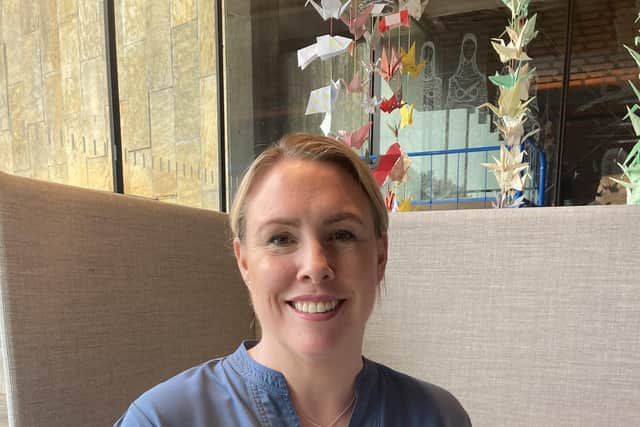
Ailsa Rutter OBE, director of Fresh and Balance, North East programme dedicated to reducing alcohol and tobacco harm, said: “Too many people are dying and being injured on our roads because of alcohol, and more and more lives are being wrecked.
"This also places a massive strain on our emergency crews, who have to deal with horrific accidents and tell families that a loved one won’t ever be coming home.
“Lowering the limit won’t prevent every accident but it will provide more clarity and leave less room for people to wrongly believe they can have a couple of drinks and still be ok."
Ailsa added: “But the problem is wider – alcohol is too cheap, too widely promoted and too available, and Governments are far too quick to listen to the lobbying of the alcohol industry.
"We need a new national strategy to tackle all aspects of alcohol harm and look at solutions for its impact on lives, health and public safety.”
Alice Wiseman, director of Public Health for Gateshead and Newcastle, added: "The Road Traffic Act in 1988 made it an offence to drive under the influence of alcohol and has saved countless lives. However with drink-driving incidents now rising again, urgent action is needed.
"We need to think long term to prevent people from experiencing harm in the first place. By having a clear national strategy to reduce alcohol harm, we can begin to turn the tide."