
Specialist support bases for SEND children to be made permanent at primary schools
Specialist support bases set up at several Northumberland schools to cater for children with additional needs will be made permanent.
The bases allow SEND children to remain at mainstream provision while still receiving the additional support they need.

The bases (SSBs) were created in response to the growing number of children with additional needs. In 2017, the number of students with an education and healthcare plan (EHCP) stood at 1,679 – this had risen to more than 4,000 last year.
Since the SSBs were set up, benefits have included shorter journeys to school as children are educated closer to home; the ability to access some mainstream lessons; maintaining friendships; and tackling the rise in surplus school places.
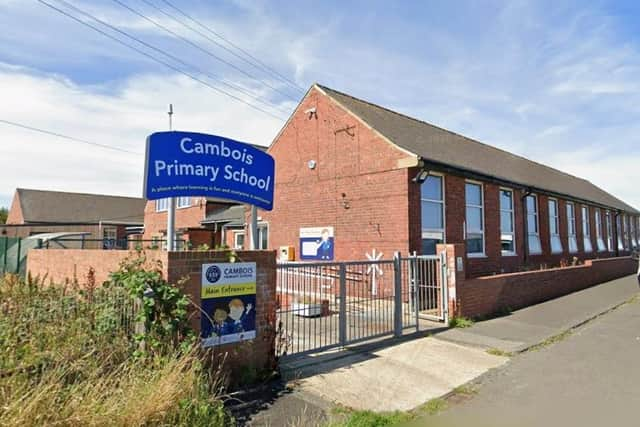
At a meeting of the council’s cabinet, members were asked to formalise the permanent siting of the SSBs at Cambois Primary, Newsham Primary, Northburn Primary and Seaton Sluice First Schools. This followed a consultation period, with governors at all schools but Northburn supportive of the move.
Cabinet member for education, Cllr Guy Renner-Thompson, said: “We’re going to make permanent the proposals for Newsham, Cambois and Seaton Sluice. We will continue to work with Newburn who have some concerns about the funding model.
“The need for support bases is perfectly clear. The number of children in Northumberland with an EHCP is over 4,000 now.
“In response, we have developed these specialist support bases closer to home, so children can stay in their community and still access mainstream education. They are in mainstream schools, but they get the benefits of a specialist education.
“We have had very strong support from parents, staff and governors. We have been doing this for a while, as we recognised we had an issue.”
Special schools in the county have increased their capacity in response to the rising number of children with additional needs, while a new free special school – Gilbert Ward Academy – opened in Blyth in 2023. However, it is recognised that special schools can only grow so far before they are no longer able to offer the “nurturing environments” needed by the pupils.
As a result, the “exponential” growth in pupil numbers has required “other solutions”.
The council is also facing financial pressure on the SEND budget. In March, new figures showed the needs block of the local authority’s school funding is expected to be £8.8 million over budget by the end of the year, following an overspend of more than £8 million last year.
SSBs save the council cash by reducing the need for long-distance travel to and from specialist schools – the cost of which the council is required to cover.