
Oyster project aims to provide pearls of wisdom to school pupils
Youngsters from schools in North Tyneside are being invited help pioneer a new native oyster restoration project.
Ten schools and colleges in the region will get the chance to get involved in the environmental project, thanks to £80,000 in funding from the Reece Foundation – which supports engineering, manufacturing and environmental initiatives.
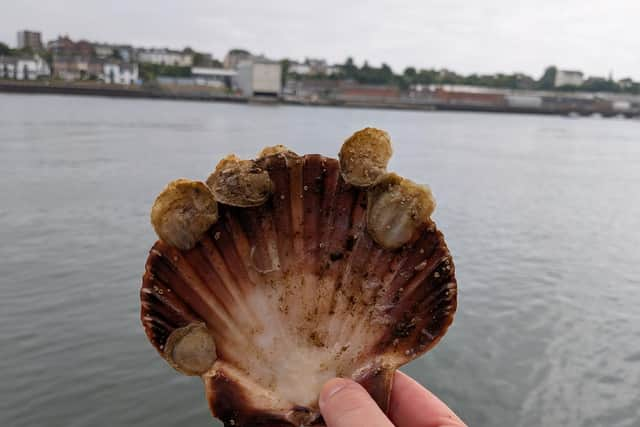

The money has been given to Groundwork North East & Cumbria for an innovative oyster restoration scheme in the Tyne estuary - including an educational programme, providing hands-on experience in marine ecology, restoration and environmental engineering. The latest project is part of a campaign to restore native oyster stocks, which are locally extinct, back to the North Sea.
The project will centre around two sites on the River Tyne with Goundworks’ marine ecology team testing a new technique for restoring native oysters in an urban setting.
This project will focus on juvenile oysters (spat) being seeded on to specially designed textured clay and cement installations. The project aims to create 50 structures designed to mimic natural marine habitats.
Students from Key Stage 2 to college age will help design the installations, investigating how materials, surface texture and environmental design can influence oyster settlement and survival.
Pupils will be able to follow the project from design and manufacture, to installation and and monitoring, giving them an insight into the science, technology and engineering involved. The River Tyne biodiversity will benefit directly from this project.
Native oysters are ecosystem engineers with each one able to filter up to 200 litres of water each day - creating food, shelter, and nursery habitats for other species. Dr Ashleigh Tinlin-Mackenzie, Groundwork’s marine ecology lead, said: “This project is a fantastic example of how innovation, education and nature recovery can work hand in hand.
"Thanks to the Reece Foundation's generous support, we'll be testing an exciting new approach to restoring native oysters in the Tyne while giving young people the chance to take part in a real conservation project on their doorstep. “We hope it inspires curiosity, develops practical skills and shows how they can help tackle some of the biggest environmental challenges facing our communities." Schools and colleges near the mouth of the Tyne interested in taking part can contact [email protected].