
Northumberland farmers struggle amid driest spring in nearly 70 years and risk of drought
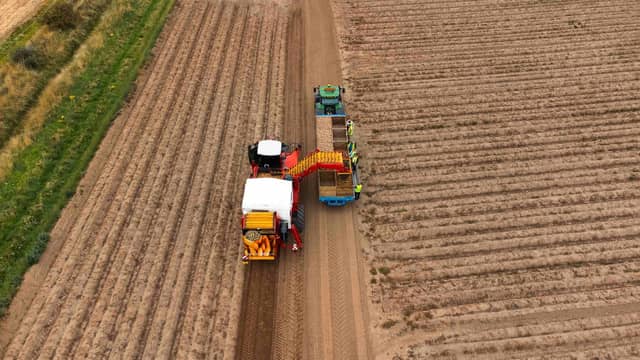

In the driest spring in almost 70 years, Northumberland farmers are becoming ‘desperate’ as crops suffer due to lack of rainfall.
With the Environment Agency issuing a ‘medium’ risk of drought, and Northumbrian Water urging residents to be extra mindful of water usage – it is the farming industry that faces the biggest impact from dry weather.
The lack of rainfall hinders crop growth, potentially causing early harvesting, reducing yields, and affecting livestock feed, leading to economic losses and less food produced here in the UK.
Wooler tenant farmer and local councillor Mark Mather said: "It’s starting to get desperate now. We would like to see lots of lush grass to turn cattle out to but we are still having to feed them outside.
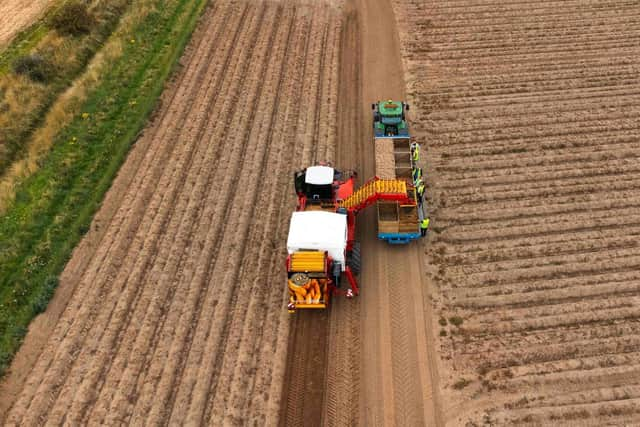
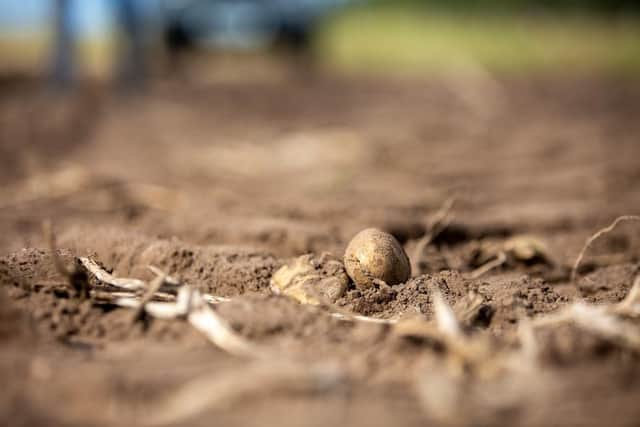
“Spring crops are desperate for a drink. If this continues much longer we will go into a very poor harvest. It is very challenging times in the industry at the moment."
He explained that the reduction of the Delinked payments, which replaced the Basic Payment Scheme (BPS) in 2024, has made it harder than ever for farmers to deal with the difficult conditions.
The payments are being reduced each year until they cease entirely in 2027 – and these reductions have been more substantial than farmers anticipated, with the maximum payment in 2025 being £7.2k.
He added: “The removal of the Delinked is the foundation to a lot of the issues that the sector is seeing. The payment was there to ensure that affordable food was produced to the nation.
“That was taken without time to prepare or plan. You can take one hit but you can't take it from every angle which is definitely how it feels at the moment.
“One of my background concerns from a councillor level is food inequality. As food becomes more scarce and more expensive, people will be forced to buy a cheaper import which may not have the standard and the quality we insist it does in this country.”
Mark Robson, of Turvelaws Farm in Wooler, home of Particularly Good Potatoes, has been trying to get permission to install a reservoir for almost 20 years.
Mark explained: “As a minute little business, we have been trying to 18 years to get permission from different bodies to put a reservoir in Wooler which wouldn’t cost anything for the tax payer. The only alternative we have is pumping from the river.”
Mark spoke about the knock-on effect of importing our food instead of nurturing the farms we have in the UK.
He added: “In my career we have gone from importing a very small amount of potatoes to over a million tonnes, 19,000 potato growers have gone out of business in Britain in 30 years.
“From a moral standpoint, you think about jobs in the UK and also the carbon footprint of bringing stuff from overseas and from villages in Egypt where it is over 40 degrees.
“All that’s going to happen is that in 10 years time, the poorest in society will have higher food prices. They will rise significantly and it will be too late unless we act soon.”