
Northumberland council leader stresses importance of food security in difficult times for farmers
The leader of Northumberland County Council has stressed the importance of food security due to ongoing instability across the world.
It comes amid warnings from the National Farmers’ Union (NFU) that the UK is producing less food than it did 30 years ago.

According to a new report entitled Ready to Grow, the country’s self-sufficiency in 10 out of 11 everyday foods, such as wheat, vegetables, beef, poultry meat and eggs have fallen in the last three decades.
But geopolitical events such as the wars in Ukraine and Iran have seen supermarket food prices soar.
The Food and Drink Federation has predicted that food inflation could hit 6% by next year due to the ongoing impact of the wars and ongoing drought issues across Europe.
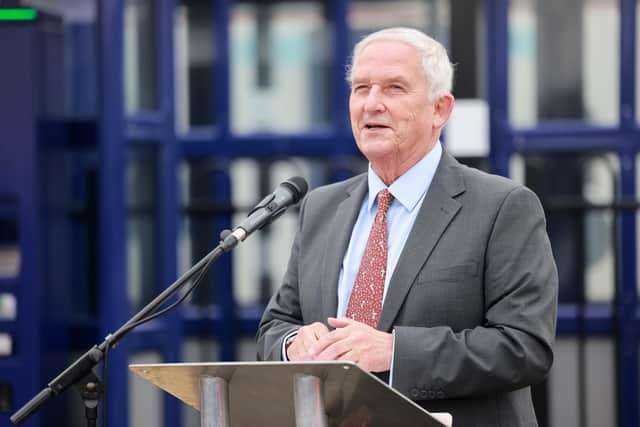
Council leader Glen Sanderson, who owns a 400-acre family farm, said: “Food security is hugely important. We’re in an absolutely unstable world.
“You can see at the moment what has happened to the price of fuel for our cars because of a war. When Putin invaded Ukraine, we saw what happened to food prices then.
“I know how difficult farming is. I know how difficult it is to make money out of farming.
“We have to honour the environmental commitments that we have made, but we have to do is make sure first and foremost that farmers are rewarded for what they do and food security is never, ever at risk. Farming and our farmers in Northumberland are the backbone of our industry.
“It’s farmers that created the fabulous landscape that we have, and they produce the food we have with the quality and assurances that we all want to see.”
Last week, farmers gathered outside County Hall in Morpeth for a Back British Farming Day event celebrating local food, farming and the people who produce it.
The Ready to Grow report shows that much of Britain’s food is being produced at a loss, with 65% of wheat and barley grown on cereal farms coming from farm businesses operating at loss while on lowland livestock farms, only 26% of some sheep products came from profitable farm groups.
The NFU say this comes at a time when the worst drought in 50 years is set to cost wheat growers £370 million, while the UK’s largest-ever bluetongue outbreak and soaring fuel, fertiliser and energy costs linked to the conflict in Iran are “pushing farm finances to breaking point”.
Cllr Sanderson added: “We as the county council were very proud to support farming by having a Farming Commission a few years ago, which produced a blueprint for agriculture in Northumberland that was presented to Government. Since then, we have managed to have £13 million for rural business support agreed by the North East Strategic Mayoral Authority.
“We’re putting money into rural areas to help industry, whether its food or drink or help towards biodiversity. Northumberland looks the way it does because of farmers.”