
Measures to prevent pneumonia in calves
Some of us may be enjoying the mild weather we’ve had over the past few weeks but for our farmers this can mean that pneumonia outbreaks in calves are on the rise.
Pneumonia in calves usually occurs in housed calves from beef or replacement dairy units and was estimated to cost the cattle industry approximately £50 million annually in 2023.
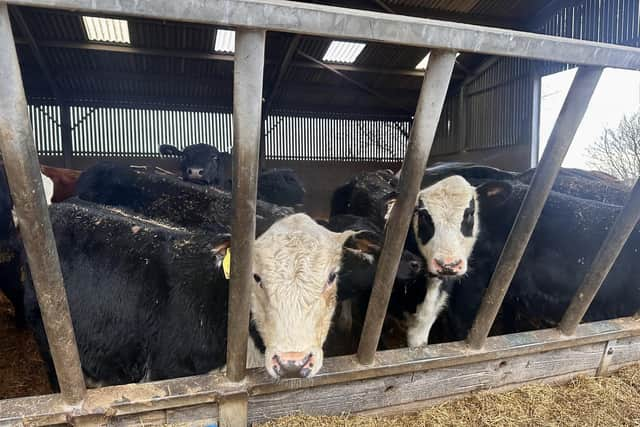

Some calves may show very little to no signs while others show very clear signs. These include: reduced appetite, dull demeanour, increased respiratory rate, dropped head, increased temperature, coughing and nasal discharge. Pneumonia can cause death if left untreated.
There are multiple pathogens that can cause pneumonia in calves including: Infectious Bovine rhinitis (IBR), Respiratory Syncytial virus (RSV), Parainfluenza type 3 (Pi3), Coronavirus, Mycoplasma bovis, Pastuerella multocida, Mannheimia haemolytica and Histopholus somni. These can be diagnosed by taking a nasopharyngeal swab of calves that show clinical signs.
Pneumonia can be treated, however we aim to prevent this disease before it gets to that point by managing the risk factors. Good ventilation is a key factor for reducing the risk of pneumonia: fresh air is needed to reduce bacteria growth rates, however too high a wind speed at calf level can effect growth rates.
Good housing for the calves allows for this balance, with ventilation requirements being different farm to farm. It is also important that there is not too much moisture in the environment which can be managed by regularly adding dry bedding. Ensuring that ages are not mixed also helps with reducing risks of spread of disease, as the disease is spread from older asymptomatic calves to younger, more at risk groups.
A further preventative measure is good colostrum management. Colostrum is the first milk that calves get from their mother which contains more nutrients than normal milk as well as the very important maternal antibodies. These protect the calf from infection while they develop their own immune system. Vaccines are available in both intranasal and injectable form which can help support immunity prior to housing.
Stress can also predispose claves to pneumonia. By having gradual weaning and reduced stress at housing the risk of pneumonia can reduce.
We cannot control the weather but we can take action with preventative measures to reduce the risk, spread and severity of pneumonia in calves this winter.