
Make sure microchip details are up to date
When horse owners think about identification, passports are often the first thing that come to mind.
However, every horse in England is also required to be microchipped.
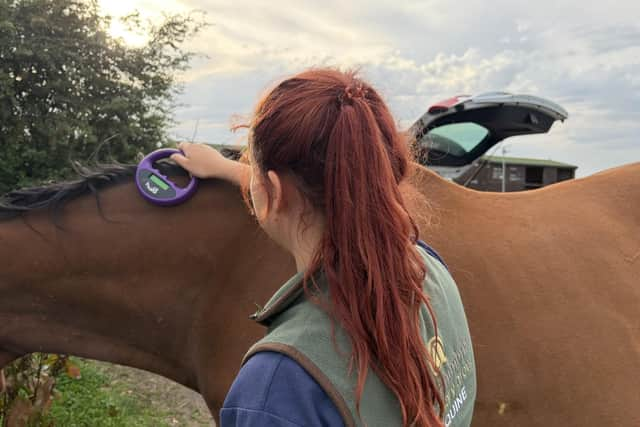

Since October 2020, all equines have been required to be microchipped, providing a permanent form of identification that helps to verify ownership and support traceability throughout a horse’s life. Microchips may be scanned during veterinary examinations, competitions and at race days.
A microchip is a tiny device, approximately the size of a grain of rice, which contains a unique identification number that is read using a scanner. Contrary to popular belief, microchips are not GPS trackers and cannot provide a live location. Their value lies in allowing an animal to be identified and its owner contacted if required.
Cats and dogs are also required to be microchipped. Dogs have been legally required to be microchipped since 2016, whilst compulsory microchipping for cats was introduced much later in 2024. The process of microchipping is similar across species, however the location of implantation varies. Horses are typically microchipped in the nuchal ligament on the left-hand side of their neck, whilst dogs and cats have theirs implanted beneath the skin between the shoulder blades. The procedure is quick, minimally invasive and generally well tolerated.
The timing of microchipping also varies between species. Horses are usually microchipped when their passport is issued, and legislation requires this to be carried out by the time the foal is 6 months old or the 31st December in their year of birth, whichever is later.
Dogs should be microchipped by the time they are 8 weeks old, and most are microchipped during their first vaccination appointment.
Cats are required to be microchipped by 20 weeks of age, meaning this is often carried out during neutering. As the microchip is implanted using a relatively large needle, carrying out the procedure whilst already sedated can make the experience less stressful for the cat and the owner.
One of the most common issues encountered in practice is not the absence of a microchip, but incorrect or outdated contact information. A microchip is only effective if the details linked to it are accurate. Moving house, changing your phone number or transferring ownership of an animal are all reasons to update your records with the relevant microchip database.
Unfortunately we do see situations in practice where stray pets are handed in but cannot be reunited because details linked to their microchip are out of date.
In horses, outdated records are frequently the result of a change of ownership. Ensuring microchip and passport records are updated when a horse is bought or sold helps maintain an accurate link between a horse and its current keeper.
Whatever animal you may own, big or small, taking a few moments to check that your microchip details are up to date could make all the difference should the unexpected happen. A microchip is a simple piece of technology, but it remains one of the most effective tools for identifying animals and helping lost pets find their way home.