
Alnorthumbria: Late summer spate of feverish horses
The late summer period this year seems to have brought with it a spate of feverish horses.
Pyrexia, the veterinary term for a high temperature, is defined as a rectal (as this is how we measure it!) temperature of 38.5 degrees Celsius and above in adult horses.
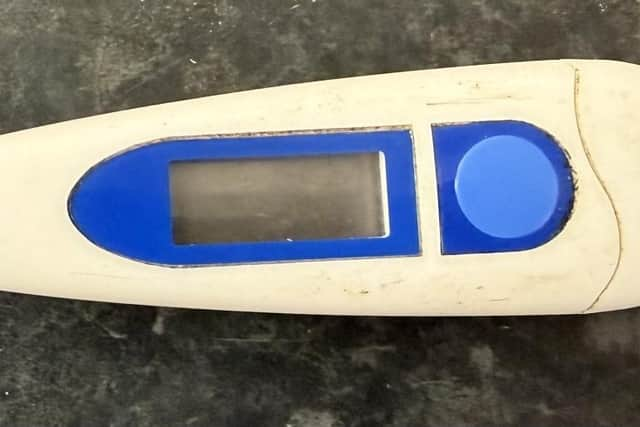

Due to being pyrexic, many horses go off their food, look dull and uninterested in their surroundings, and may be quieter than normal when handled or ridden.
There are many possible causes of pyrexia in horses, and these horses often require several investigations to establish the underlying cause and allow us to prescribe the correct treatment.
A careful history is usually the starting point: recent travel, new horses arriving on the yard, vaccination status, changes in feed, worming history, recent medication and any signs of cough, diarrhoea or colic can all be relevant.
Tests such as nasal swabbing, blood tests, abdominal, thoracic and cardiac ultrasonography, rectal examination, gastroscopic examination and sometimes biopsies may all be used when investigating pyrexia.
Causes can include infections such as influenza, strangles and herpesvirus to name a few; inflammatory conditions including pleuritis, peritonitis and colitis (inflammation of the thorax, abdominal cavity and large intestine respectively; which may have infectious causes too), and pyrexia of unknown origin when other possible causes have been ruled out.
In the UK, contagious respiratory disease, colitis and peritonitis are important considerations in adult horses with fever.
Treatments depend on the cause, and many otherwise healthy adult horses do not require antibiotics unless a specific infectious cause has been identified. This is partly because many causes of pyrexia are not infectious, and those that are infectious are often viral, so antibiotics would not work.
It is also due to growing concerns about antibiotic resistance among bacteria affecting both humans and animals, as well as the small risks of side effects.
Where contagious disease is suspected, we may advise isolation, temperature monitoring of in-contact horses, and strict hygiene measures to reduce the chance of spread around the yard.
Other drugs we may use include anti-inflammatories to help reduce pain and the horse’s temperature, intravenous fluids and even paracetamol! Horses need a lot of paracetamol tablets, so we also have other formulations available for easier dosing.
If your horse has a rectal temperature above 38.5 degrees Celsius, is off food, seems dull, has diarrhoea, colic signs, breathing changes, nasal discharge, or if several horses on the same yard are affected, please contact your vet promptly.
Early assessment helps us decide which cases need urgent treatment, which need testing, and which simply need close monitoring while they recover safely.