
Metro logs donation boosts wildlife at railway woodland walk in North Tyneside
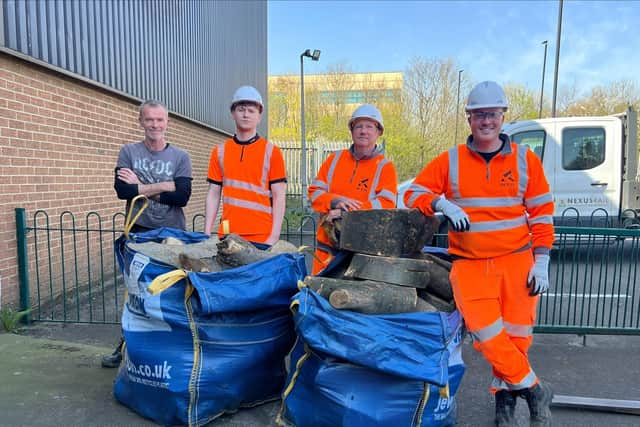
A donation of used timber from the Tyne and Wear Metro has delivered a biodiversity boost to a nature trail at the Stephenson Steam Railway in North Tyneside.
Logs from Metro’s lineside will be used to support the heritage railway’s woodland walk, which opened to the public last year.

It will help conserve and improve the walking route, supporting the wildlife along the footpath, which has been created on what used to be two-acres of wasteland.
Stuart Clarke, Infrastructure Director at metro operator Nexus, said: “It is brilliant to see that used timber from our Metro lineside estate works are being put to such good use at the Stephenson Steam Railway in North Tyneside.
“By re-using the logs in this way, it boosts biodiversity and underscores our own commitment to sustainability.
“The wood comes from a range of work sites across the Metro system, where we carefully manage the trackside areas on a rolling basis. It will be put to great use by the volunteers at Stephenson on the popular woodland nature trail.
“The footpath sits alongside our original Metro prototype train, carriage 4001, which was donated to the museum last year.”
The Stephenson Steam Railway is managed by North East Museums on behalf of North Tyneside Council.
The Stephenson Railway’s woodland walk was funded by The National Lottery Heritage Fund (NLHF) and opened to the public in June 2025.
Geoff Woodward, Museum Manager at North East Museums, said: “We are very grateful to Nexus for this donation of timber, which will make a real difference to our Woodland Walk.
"The logs will be used to strengthen and enhance the path leading through the walk, and will also create valuable habitats for insects, birds and small mammals along the route.
“What was once an area of scrubland has been transformed into a thriving habitat for wildlife and a vibrant outdoor classroom for children.
"Our Woodland Walk project not only encourages biodiversity but also offers visitors of all ages a unique opportunity to connect with nature, local history and the environment around them.”
The logs were collected by Nexus workers and transported to the site, where they will be seasoned and prepared for future use.